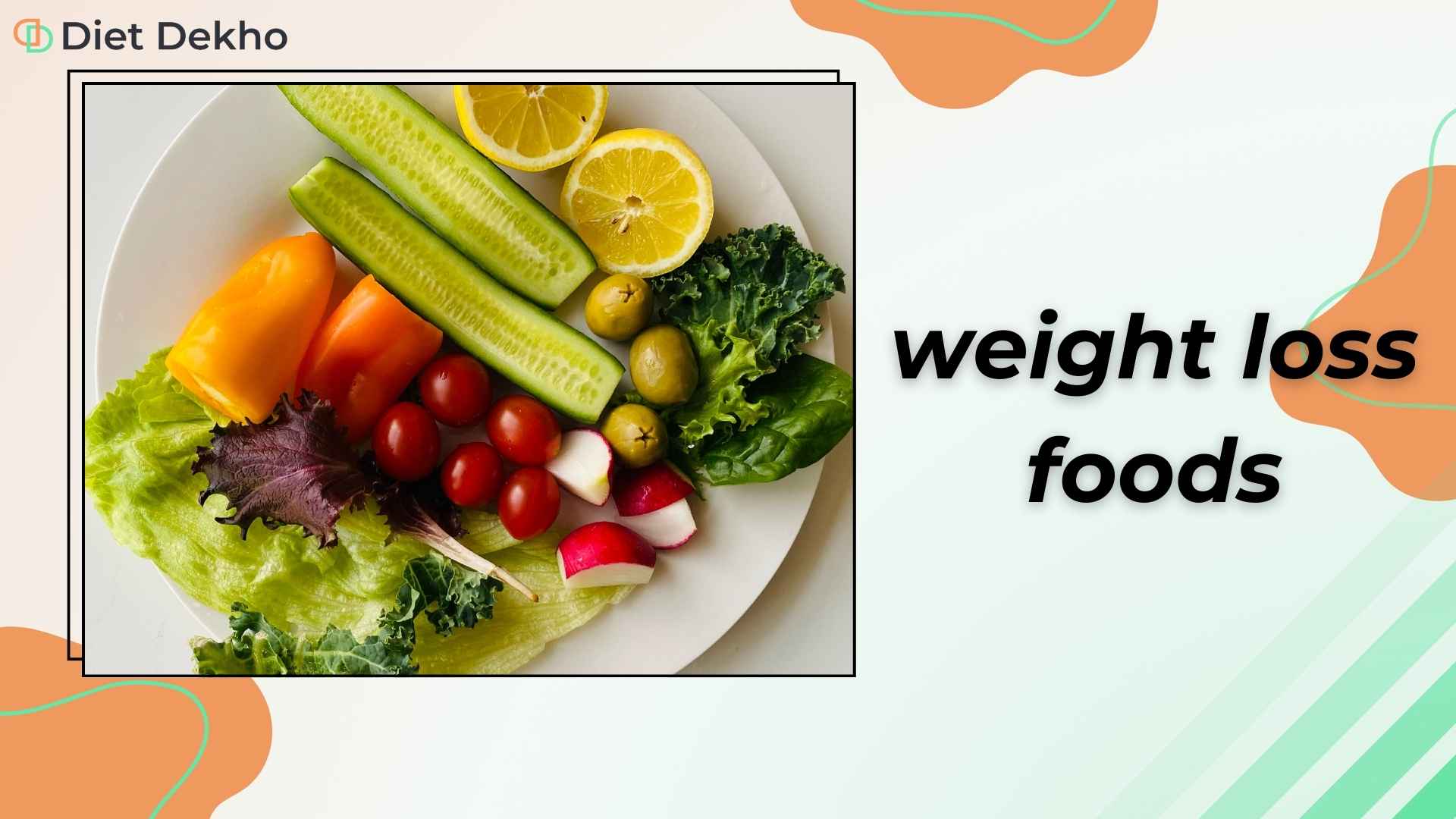
Losing weight often feels like an uphill battle, especially when modern lifestyle demands clash with traditional eating habits. However, incorporating the right weight loss foods into a structured indian diet plan for weight loss can transform this struggle into a sustainable journey toward wellness. By focusing on nutrient-dense staples like moong dal, millets, and indigenous spices, individuals can achieve significant health milestones without feeling deprived.
Effective weight loss foods in an Indian context include high-fiber, protein-rich staples such as moong dal, ragi, and seasonal vegetables like lauki and palak. A sustainable indian diet plan for weight loss balances these with complex carbohydrates and metabolism-boosting spices like turmeric and ginger, ensuring steady energy and hormonal health.
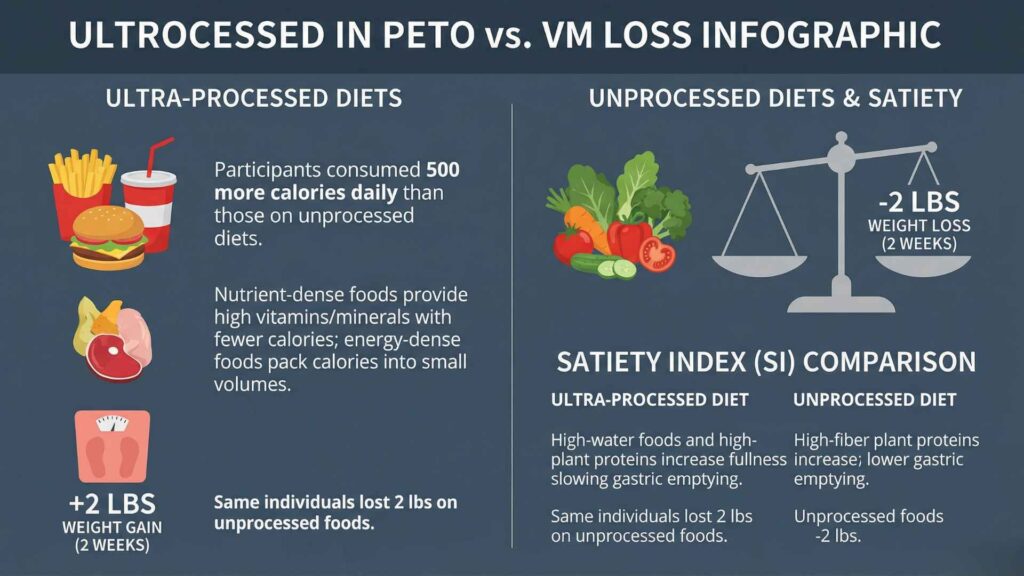
Table of Contents
- 1 Are you struggling to find the right nutritional foods for losing weight?
- 2 How to pick healthy foods for weight loss in an Indian home
- 3 Why completely cutting out rice or rotis in an Indian diet is not the right approach
- 4 Understanding the role of fiber, protein, and hormonal balance without medical jargon
- 5 Simple breakfast swaps like Poha or Moong Dal Chilla for better weight management
- 6 A ready-made structure for your meals from morning detox drinks to light dinner options
- 7 The hidden dangers of crash dieting and skipping essential Indian spices that aid metabolism
- 8 Remember that slow progress is also progress; focus on building a sustainable lifestyle
- 9 Talk to a Diet Dekho expert today for a personalized Indian nutrition plan tailored to your lifestyle
Are you struggling to find the right nutritional foods for losing weight?
The frustration of weight-loss plateaus often stems from a fundamental disconnect between caloric restriction and metabolic health. In India, the prevalence of obesity and people living with a higher weight has reached a critical juncture, with recent data from the National Family Health Survey (NFHS-5) revealing a sharp surge across all demographics. For instance, the number of adult women in the higher-weight category rose from 12.6% to 24.0%, while men saw an increase from 9.3% to 22.9%.
Understanding fat-burning food items and metabolic health
A primary reason for the lack of results is the “starvation mode” triggered by excessive caloric restriction. When the body receives less than its basal requirements, it enters adaptive thermogenesis, slowing down the metabolism to conserve energy. This biological defense mechanism makes it increasingly difficult to continue losing weight and often leads to the “rebound effect,” where weight is regained rapidly once normal eating resumes.
The impact of ultra-processed diets in India
Furthermore, many seekers of weight loss foods focus solely on calories while ignoring the disease burden that influences weight gain; an estimated 56.4% of the total disease burden in India is linked to unhealthy diets, including high-fat, salt, and sugar (HFSS) foods. This transition is driven by the proliferation of ultra-processed foods (UPFs) that have replaced traditional coarse grains and pulses. Effective nutritional foods for losing weight must, therefore, be integrated into a lifestyle that addresses these underlying economic and dietary transitions.
| Age/Demographic Group | NFHS-3 Prevalence (%) | NFHS-5 Prevalence (%) | Growth Rate (%) |
| Children (<5 Years) | 1.5 | 3.4 | 127 |
| Adolescent Girls (15-19) | 2.4 | 5.4 | 125 |
| Adolescent Boys (15-19) | 1.7 | 6.6 | 288 |
| Adult Women (15-49) | 12.6 | 24.0 | 91 |
| Adult Men (15-49) | 9.3 | 22.9 | 146 |
How to pick healthy foods for weight loss in an Indian home
For many Indians, food is more than just sustenance; it is a profound cultural identity. The struggle of balancing healthy foods for weight loss with modern, often sedentary, lifestyle demands is a daily reality for busy professionals, homemakers, and NRIs alike. Traditional diets were historically anchored in seasonal produce and labor-intensive cooking, but urbanisation has brought prosperity alongside a shift toward calorie-dense, low-nutrient convenience.
Household chores as a tool for weight management
Homemakers often find themselves caught between preparing calorie-heavy meals for the family and trying to find low-calorie diet foods for themselves. Research indicates that common household chores, while not a replacement for structured exercise, can significantly contribute to daily energy expenditure. For instance, vacuuming can burn approximately 124 to 166 calories per half hour depending on body weight, while mopping and sweeping floors can burn between 660 and 710 kilojoules (roughly 157 to 169 calories) per hour.
| Activity | Calories Burned per 30 Mins (Avg. 70kg Adult) | Equivalent Workout |
| Mopping Floors | 100-150 | Brisk Walk |
| Washing Dishes | 45-110 | Light Stretching |
| Ironing Clothes | 91 | Low-impact Aerobics |
| Bed-making | 112 | Power Walk |
| Cooking | 91 | Yoga |
Managing meal timing for busy professionals
For busy professionals and NRIs, the challenge lies in meal timing and the accessibility of weight loss foods. Long working hours often lead to mindless snacking or skipping breakfast, which triggers cortisol spikes and subsequent abdominal weight gain. The solution lies not in abandoning Indian roots but in optimizing them. Returning to traditional habits—such as using ghee in moderation or choosing whole grains—while adjusting for modern energy requirements is the key to making an indian diet plan for weight loss both culturally relevant and physically effective.

Why completely cutting out rice or rotis in an Indian diet is not the right approach
One of the most pervasive myths in the weight loss industry is that staples like rice and roti are the primary enemies of progress. This misconception leads many to follow extreme low-carb diets that are unsustainable in an Indian context. Expert consensus from the ICMR-NIN suggests that an indian diet plan for weight loss should provide up to 45% of total calories from cereals and millets, emphasizing variety rather than elimination.
The nutritional truth about rice and portion control
Rice, often unfairly labeled as a “weight gainer,” provides approximately 130 calories per 100g of cooked portion. While white rice has a higher Glycemic Index (GI) of 72, which can cause blood sugar spikes, these effects are easily mitigated when rice is paired with fiber-rich lentils (dal), vegetables, or a source of healthy fat like a drizzle of ghee. Furthermore, when rice is cooled, it develops resistant starch, which functions similarly to fiber by supporting gut health and prolonging satiety.
| Nutrition Factor (per 100g cooked) | White Rice | Whole Wheat Roti (2 medium) |
| Calories (kcal) | 130 | 133 |
| Protein (g) | 2.7 | 5 |
| Dietary Fiber (g) | 0.4 | 2.2 |
| Glycemic Index (GI) | 72 (High) | 62 (Medium) |
| Minerals | Low after processing | Iron, Magnesium, B-Vitamins |
Why whole wheat and millets are superior choices
Roti, particularly when made from whole wheat or millets like ragi and bajra, offers a distinct advantage in a veg diet plan for weight loss. It is naturally higher in protein and fiber, promoting slower energy release and better appetite control. However, over-consumption—such as eating four or five ghee-laden rotis in one sitting—can backfire, just as excessive rice consumption does. The real secret lies in portion control: sticking to 1–2 rotis or half a cup of rice per meal, balanced with twice as much vegetable content.
Understanding the role of fiber, protein, and hormonal balance without medical jargon
At its core, weight loss is governed by how the body manages energy and hormones. Fiber and protein are the two most powerful tools in this process. Fiber, found abundantly in weight loss foods like legumes, leafy greens, and millets, acts as a natural brake for digestion. By slowing down the absorption of sugar, fiber prevents the sharp insulin spikes that tell the body to store fat. High-fiber vegetables like broccoli, mustard greens, and snake gourd are essential for managing conditions like PCOD/PCOS and diabetes.
Utilizing Indian superfoods: Moringa and Amaranth
Recent research from ICMR-NIN has also highlighted the anti-obesity effects of traditional plants like Moringa Oleifera (Drumstick leaves) and Amaranth (Rajgira). Moringa is rich in isothiocyanates that help reduce weight gain and improve insulin sensitivity, making it an excellent addition to nutritional foods for losing weight. Similarly, Amaranth provides twice the iron of quinoa and is a gluten-free powerhouse for maintaining bone density during a calorie deficit.
Hormonal balance and metabolic signaling
Hormonal balance, particularly involving insulin, cortisol, and thyroid hormones, dictates where the body stores fat. For those with hypothyroidism, a slow metabolism can lead to weight gain, making it essential to focus on iodine-rich and selenium-rich foods like walnuts and lentils while managing calories. In PCOS, the goal is to stabilize blood sugar through low-GI foods to reduce the production of androgens, which contribute to abdominal fat.

Simple breakfast swaps like Poha or Moong Dal Chilla for better weight management
Breakfast sets the metabolic tone for the day. Swapping refined cereals or heavy parathas for protein-packed Indian alternatives can accelerate results. Moong dal chilla is an exceptional choice among weight loss foods; each chilla contains only 120–130 calories and is rich in protein and folate. Adding carrots, capsicum, and beans to the batter further increases its fiber content without significantly adding to the calorie load.
Light and digestive-friendly morning options
Poha (flattened rice) is another staple that serves as one of the most effective healthy foods for weight loss due to its light nature and ease of digestion. When prepared with onions, curry leaves, and peanuts, it provides a balance of complex carbs and healthy fats. For those managing hypertension, rinsing poha well can further reduce its sodium content, aligning it with DASH (Dietary Approaches to Stop Hypertension) principles.
| Traditional Breakfast | Weight Loss Swap | Key Benefit |
| White Bread Toast | Moong Dal Chilla | Higher protein and slower energy release |
| Semolina (Rava) Upma | Oats or Dalia Upma | Higher soluble fiber for heart health |
| Paratha with Butter | Ragi Dosa | Lower GI and high calcium for bones |
| Sugary Cereal | Vegetable Poha | Whole-food nutrients and lower sodium |
| Fried Vada | Sprouts Salad | Live enzymes and high vitamin C |
The stress-busting power of Ragi
Ragi (finger millet) is another powerhouse grain. It contains tryptophan, an amino acid that helps ease stress and reduce the urge for emotional eating. A ragi dosa or porridge for breakfast provides a significant calcium boost—crucial for women who may be in a calorie deficit—while ensuring sustained energy until lunch.
A ready-made structure for your meals from morning detox drinks to light dinner options
A consistent meal structure is the backbone of any sustainable indian diet plan for weight loss. For the 40% of Indian women and 12% of men dealing with abdominal obesity, meal timing and frequency are as important as the foods themselves.
The Daily Metabolic Routine:
- Early Morning (Detox): Start with warm lemon water, methi (fenugreek) water, or jeera water. These aid digestion and help stabilize insulin levels from the start.
- Breakfast: A portion of moong dal chilla, vegetable upma, or sprouts salad. This should be consumed within 60 minutes of waking.
- Mid-Morning Snack: A single seasonal fruit like guava, apple, or papaya, which are rich in fiber and vitamins.
- Lunch: 1-2 multigrain rotis or half a cup of brown rice, paired with a large bowl of dal, a seasonal vegetable (sabzi), and a fresh cucumber-onion salad.
- Evening Snack: Roasted makhana (fox nuts) or a handful of unsalted nuts like almonds and walnuts.
- Dinner: A light meal like moong dal soup, grilled paneer, or a small bowl of vegetable khichdi. Dinner should ideally be consumed before 8 PM.
Practical tips for NRIs and professionals
Following this structure helps prevent the energy crashes that lead to late-night snacking. For NRIs and busy professionals, preparing components like chopped veggies or boiled sprouts during the weekend can ensure this indian diet plan for weight loss is maintained even on busy weekdays. Utilizing local swaps like Greek yogurt or stone-milled wheat flour abroad can help maintain cultural roots without adopting “white-washed” processed diets.

The temptation to lose “10 kgs in a month” often leads individuals to crash diets, which are potentially hazardous. Restricting intake to less than 800-1000 calories a day can lead to gallstones, muscle loss, and severe nutrient deficiencies. In an Indian context, crash dieting can exacerbate hair loss, fatigue, and even bone density issues.
Metabolic benefits of traditional Indian spices
Furthermore, many “modern” diets overlook the metabolic power of traditional Indian spices. Turmeric, specifically its active compound curcumin, has been clinically shown to reduce inflammation and may aid in fat metabolism by improving insulin sensitivity. Ginger and black pepper possess thermogenic properties, meaning they slightly increase the body’s internal temperature to boost calorie burning.
| Spice | Active Compound | Metabolic Benefit |
| Turmeric | Curcumin | Reduces inflammation and improves insulin sensitivity |
| Ginger | Gingerol | Stimulates digestion and enhances thermogenesis |
| Cumin (Jeera) | Thymol | Improves fat metabolism and reduces bloating |
| Cinnamon | Cinnamaldehyde | Regulates blood sugar and lowers cholesterol |
| Black Pepper | Piperine | Increases nutrient absorption and burns fat |
Spices as a layer of metabolic support
Skipping these spices in favor of bland, “Westernized” diet food not only makes the journey boring but also removes a natural layer of metabolic support. Integrating these into daily cooking—or even as herbal teas—can provide a subtle yet significant advantage in a fat loss diet plan. Spices like cumin and fennel also support nutrient absorption and strengthen the “digestive fire,” helping to reduce gas and bloating.
Remember that slow progress is also progress; focus on building a sustainable lifestyle
Weight loss is not a linear process. Plateaus are normal, and setbacks are part of the journey. The goal should be a loss of 0.5 to 1 kg per week, which is considered safe and more likely to be maintained long-term. Rapid loss often involves losing water weight and muscle mass, whereas steady progress focuses on actual fat reduction and the consumption of high-quality weight loss foods.
Celebrating non-scale victories
It is essential to celebrate “non-scale victories,” such as improved energy levels, better sleep quality, and a more comfortable clothing fit. For those managing chronic conditions, a modest weight loss of even 5% can yield massive health benefits, including lower blood pressure and better blood sugar control. Building a sustainable lifestyle means moving away from a “dieting” mindset and toward a “nourishing” mindset.
Moving from guilt to nourishment
Nourishment involves listening to internal hunger cues rather than waiting until you are ravenous, which often leads to consuming excessively later in the day. By making small, rhythmic changes—like walking during calls or prepping healthy snacks—you can maintain weight management without turning your life upside down. Consistency, rather than intensity, is what leads to lasting health transformation.
Talk to a Diet Dekho expert today for a personalized Indian nutrition plan tailored to your lifestyle
Every body is unique, and while a general guide provides a strong foundation, personalized advice is invaluable. Factors like age, genetic predispositions, specific medical markers, and daily schedules mean that what works for one person may not work for another. A customized indian diet plan for weight loss ensures that your nutritional choices are optimized for your specific goals, whether you are managing PCOD, diabetes, or simply a busy work schedule.

Frequently Asked Questions
1. Can I lose weight while eating Indian food?
Absolutely. Traditional Indian foods are naturally rich in fiber and nutrients. By choosing whole grains like millets, protein-rich dals, and seasonal vegetables while following a structured indian diet plan for weight loss, you can build a sustainable lifestyle.
2. Is it okay to eat rice at night if I want to lose weight?
Yes, but moderation and pairing are key. Opt for half a cup of rice with a large serving of vegetables and dal. For some, choosing whole-wheat roti at night might offer more satiety due to higher fiber content and a lower glycemic index.
3. What are the best snacks for weight loss on a busy schedule?
Nutritious and portable weight loss foods include roasted makhana, roasted chana, boiled eggs, or a handful of nuts like almonds and walnuts.
4. How does stress affect my weight loss journey? High stress levels trigger cortisol, which can lead to increased appetite and abdominal fat storage. Managing stress through short walks, meditation, or consistent sleep is as important as your diet.
5. Are spices really effective for fat burning?
While not “magic pills,” spices like turmeric, ginger, and cumin support metabolism by reducing inflammation and improving digestion. They should complement—not replace—a healthy diet and active lifestyle.
Disclaimer: This blog post was written to help you make healthier food choices altogether. So, be aware and take care. The important thing to consider is your health before starting a restrictive diet. Always seek advice from a doctor or dietitian before starting if you have any concerns.

Dr. Ritika is a nutrition and lifestyle expert with 2+ years of experience, helping clients manage weight and health through practical, personalized diet plans.