Are you looking at the scale every morning and wondering what the quickest way to lose 5 kg is for an Indian person with a busy life? It’s challenging to find time between back-to-back meetings or running a household, but starting a safe weight loss journey is more about planning than dieting. If you focus on long-term habits instead of quick fixes, you can reach your goal of losing 5 kg.
Eating a high-protein, fibre-rich Indian diet (like millets and pulses) and getting 30 to 60 minutes of exercise every day is the safest way to lose 5 kg quickly. This will create a daily calorie deficit of 500 to 750 calories. The first 2–3 kg often come off in a week because of water weight and glycogen loss, but to lose fat in a healthy way, you need to stick with it for 5–10 weeks.
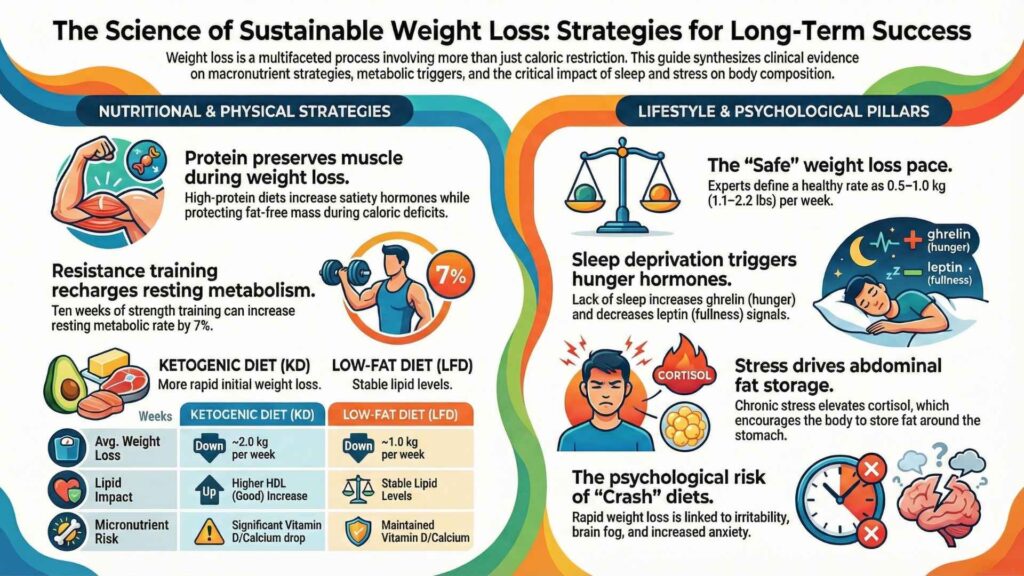
Table of Contents
- 1 The Urgency of the Scale: Why We Seek the Quickest Way to Lose 5 kg?
- 2 Instant Results vs. Lasting Change: What Really Happens in Your Body?
- 3 The Myth of Magic Pills and Extreme Starvation Diets
- 4 The Science of Quick Progress: Water Weight, Glycogen, and Fat Oxidation
- 5 Practical Indian Dietary Tweaks to See a Faster Difference on the Scale
- 6 Lifestyle Tips: How to Sleep, Stay Hydrated, and Deal with Stress to Make Quick Progress
- 7 CCommon Mistakes That Turn Quick Weight Loss into Quick Weight Gain
- 8 Why Patience is Your Strongest Tool in a Transformation Journey
- 9 Don’t Do It Alone: Get a Scientifically Backed Plan from Diet Dekho
The Urgency of the Scale: Why We Seek the Quickest Way to Lose 5 kg?
Whether it is an upcoming wedding, a medical check-up, or just the desire to feel lighter, the urge to see a lower number on the scale is something many of my clients at Diet Dekho feel deeply. In the Indian context, this urgency is often tied to our unique “thin-fat” phenotype, where we tend to carry excess belly fat even if our overall weight seems normal.
Understanding the Indian Metabolic Context
What this means for your daily routine is that losing weight isn’t just about the number; it’s about reducing the risk of metabolic issues. The Indian consensus defines a higher-weight body for South Asians as starting at a BMI of ≥ 23 kg/m², which is lower than the global standard, because they are predisposed to diabetes and heart disease at lower weights. Seeking the quickest way to lose 5 kg is often the first step toward reclaiming your metabolic health.
Instant Results vs. Lasting Change: What Really Happens in Your Body?
I often see people celebrate a 2 kg drop in just three days. While that feels wonderful, let’s simplify the science: that initial “whoosh” is rarely fat. When you cut calories or carbs, your body uses up its stored glycogen. Because each gram of glycogen is stored with about 3 to 4 grams of water, you lose significant “water weight” almost immediately.
The Reality of Fat Oxidation
The quickest way to lose 5 kg of actual body fat, however, takes more time. Fat oxidation is a slower process. While water weight fluctuates, real fat loss happens when you consistently burn more than you consume. Losing weight too fast—more than 1 kg per week—can actually lead to muscle loss and a slower metabolism, making it harder to keep the weight off later.
The Myth of Magic Pills and Extreme Starvation Diets
I know it’s tempting to try “7-second morning tricks” or expensive “fat-burner” pills you see online, but as a senior strategist, I have to be honest: most of these are either ineffective or dangerous. Rapid loss through starvation (eating under 800 calories) or unverified pills can cause gallstones, hair loss, and extreme fatigue.
Why Crash Diets Often Backfire
In simple terms, your body is smarter than a crash diet. When you starve yourself, your brain thinks there is a famine and slows down your calorie-burning engine (metabolism) to save energy. This is why most people who lose weight through extreme restriction end up gaining it all back, plus a few extra kilos, the moment they eat normally again.

The Science of Quick Progress: Water Weight, Glycogen, and Fat Oxidation
To master the quickest way to lose 5 kg, we need to understand how energy is used. Your body follows the laws of thermodynamics. To lose 1 kg of weight, you generally need to create a deficit of approximately 7,700 calories. Spreading this over a few weeks is the only way to ensure you are losing fat, not just muscle.
Calorie Deficits for Success
The most effective strategy is a “standard” deficit of 500–750 calories per day, which typically results in 0.5 to 1 kg of weight loss per week. For my clients with PCOS or diabetes, this steady approach is even more critical because it helps manage insulin resistance. High-intensity activity can speed up glycogen depletion, but it must be paired with the right fuel to keep your hormones balanced. This is the foundation of a safe weight loss journey.
Practical Indian Dietary Tweaks to See a Faster Difference on the Scale
Let’s move away from the “boiled food” myth. You can enjoy Indian food and still find the quickest way to lose 5 kg. The ICMR-NIN guidelines suggest a balanced plate where no more than 45% of calories come from cereals.
Essential Home-Based Swaps
Millet Magic: Use ragi, bajra, or jowar instead of white rice and maida. These old grains are “fibre champions” that keep you full for hours and keep your blood sugar from rising.
Every meal should have a source of protein, like moong dal, paneer, or eggs. Protein has a high thermic effect, which means that your body burns more calories when it breaks down protein than when it breaks down fats or carbs.
Regional Swaps: In the North, combine your chana flour with your wheat atta. In the South, you could try idlis made with red rice or barnyard millet.
Lifestyle Tips: How to Sleep, Stay Hydrated, and Deal with Stress to Make Quick Progress
You can’t out-eat a lack of sleep, and I can’t say this enough. Studies have found that people who sleep less than 7 hours a night have more ghrelin (the hormone that makes you hungry) and less leptin (the hormone that makes you feel full). In fact, sleep deprivation can increase the risk of obesity by 50% for a heavier person.
The Role of Hydration and Stress
Hydration is another “secret weapon.” Drinking 2.5 to 3 litres of water daily helps flush out toxins and reduces bloating. Drinking a glass of warm lemon water first thing in the morning and before every meal is a great way for busy people to help their digestion. Managing stress is also important because high levels of cortisol are linked to stubborn belly fat. Even 10 minutes of meditation every day can help.

CCommon Mistakes That Turn Quick Weight Loss into Quick Weight Gain
Even when individuals believe they are following the fastest method to lose 5 kg, they frequently fall into these traps:
- Skipping Meals: This often leads to consuming excessively later in the day. It’s better to eat 5–6 smaller, balanced meals.
- Drinking Your Calories: Fruit juices, sodas, and “sweetened” tea can add hundreds of hidden calories. Stick to water, buttermilk, or green tea.
Mindful Eating Habits
Mindless snacking is another hurdle. Those two Marie biscuits with your tea or a handful of namkeen add up. Switch to roasted makhana (fox nuts) or a small portion of nuts. Also, avoid eliminating all fats entirely. Your body needs healthy fats for hormone production. Use small amounts of ghee, mustard oil, or nuts instead of cutting them out completely.
Why Patience is Your Strongest Tool in a Transformation Journey
I know you want to lose 5 kg “yesterday”, but the most successful transformations are the ones that feel like a lifestyle, not a punishment. The quickest way to lose 5 kg that stays off is to aim for a 5-to-10-week window. This allows your body to adjust without activating “survival mode”.
Building a Safe Weight Loss Journey
Think of your journey as a series of small, “SMART” goals (Specific, Measurable, Achievable, Relevant, and Time-bound). Instead of just “losing weight”, set a goal to “walk 15 minutes after dinner every night.” These small habits are what create the massive results you see on the scale and they ensure your safe weight loss journey remains on track.
Don’t Do It Alone: Get a Scientifically Backed Plan from Diet Dekho
Managing conditions like PCOS, thyroid, or diabetes while trying to find the quickest way to lose 5 kg can feel overwhelming. You don’t have to guess which foods are right for your body. At Diet Dekho, we specialise in creating macro-balanced plans that respect your regional tastes and medical needs.
Whether you are an NRI looking for millet sources in London (Tesco stocks organic millet) or a busy professional in Mumbai, we provide the expert guidance you need to make these changes stick.

FAQs
1. Is it possible to lose 5 kg in 2 weeks?
You might lose 5 kg on the scale in 2 weeks if you really cut back, but most of it will be water and muscle. Five weeks is a much safer and more realistic time frame for losing fat.
2. Can I eat rice and still lose weight?
Yes! You can add small amounts of rice. But you should switch to brown rice, red rice, or millets like foxtail or barnyard because they have more fibre and fill you up longer.
3. What is the best Indian breakfast for weight loss?
Options like Moong Dal Chilla, Vegetable Poha, Ragi Dosa, or Oats Upma are excellent because they combine complex carbs with protein.
4. Does walking after dinner really help?
Absolutely. A 15-minute walk after meals (often called Shatpavali) can burn 50–100 calories and reduce blood sugar spikes by up to 30%, which prevents fat storage.
5. For someone with PCOS, how much weight loss is safe?
Women with PCOS can improve their ovulation and insulin resistance by losing 5–10% of their body weight over time. To avoid messing up your hormones, you should aim for 0.5 kg per week.
| Goal | Strategy | Timeline |
| Initial Progress | Water weight/Glycogen depletion | 1–2 Weeks |
| Sustainable Fat Loss | Calorie deficit + Strength training | 5–10 Weeks |
| Maintenance | Balanced habits + Daily movement | Long-term |
Disclaimer: This blog post was written to help you make healthier food choices altogether. So, be aware and take care. The important thing to consider is your health before starting a restrictive diet. Always seek advice from a doctor or dietitian before starting if you have any concerns.

Dr. Ritika is a nutrition and lifestyle expert with 2+ years of experience, helping clients manage weight and health through practical, personalized diet plans.