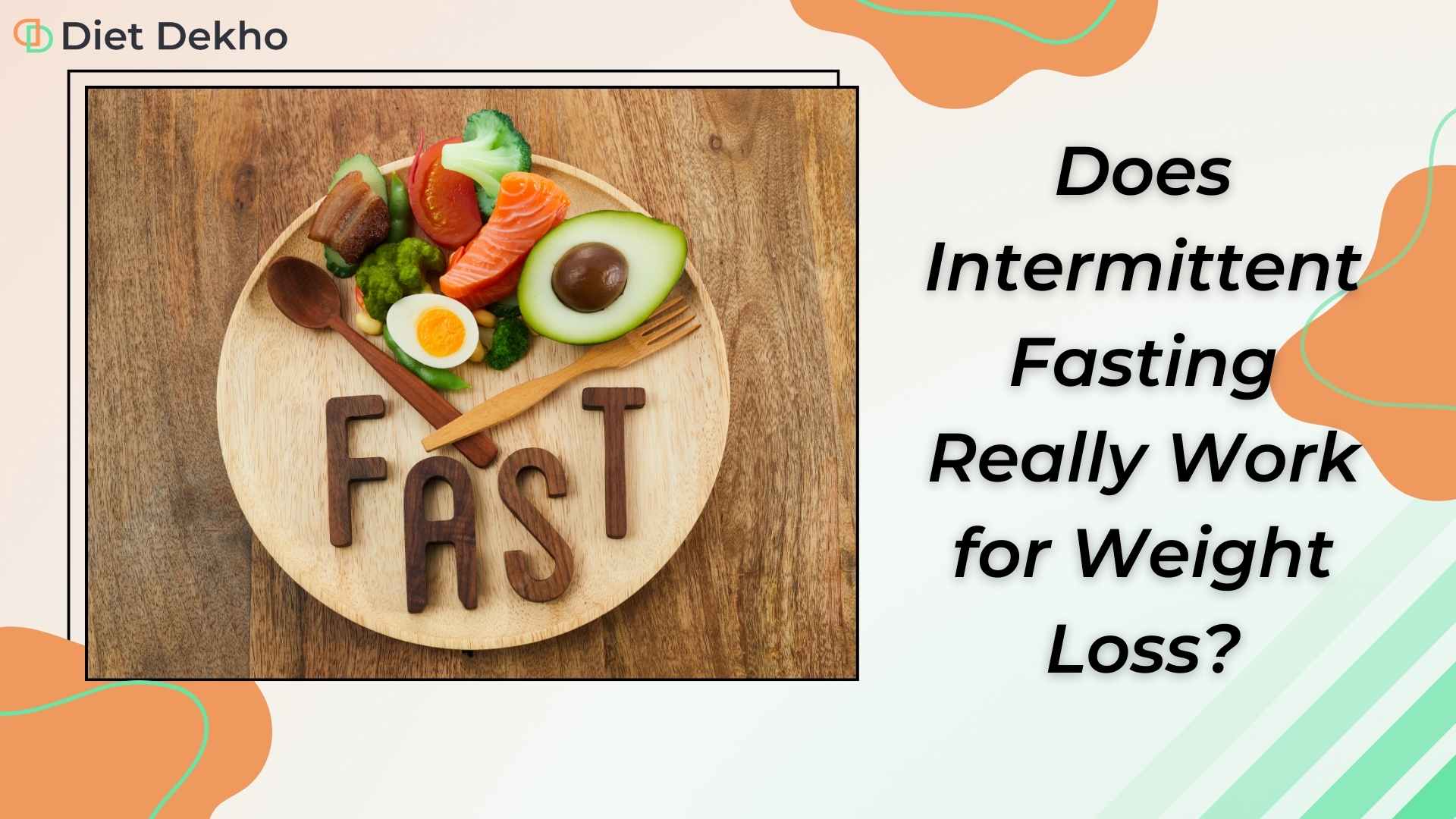
Javier spent years feeling like he was inhabiting someone else’s body. Everything felt like hard work. The mirror became an enemy he avoided. He tried low-carb diets and various fitness fads, but nothing seemed to stick. Then he discovered the concept of a “metabolic switch” through a structured eating window. Within a year, he lost 80 pounds. He finally felt like himself again, looking at the same weight he carried three decades prior. Stories like Javier’s are not anomalies in the world of clinical nutrition. They represent a fundamental shift in how we understand the intermittent fasting weight loss truth. For beginners in fitness and health-conscious individuals, the question is rarely whether fasting works. The real curiosity lies in how it works and whether it is a sustainable strategy for the long haul.
Most traditional diets focus almost exclusively on what a person eats. Intermittent fasting shifts the focus toward when a person eats. This simple change in timing triggers a cascade of biological responses that go far beyond simple calorie restriction. It is about tapping into an ancient metabolic program that our ancestors used to survive periods of food scarcity. Here is the thing: the standard modern pattern of three large meals plus constant snacking keeps the body in a permanent anabolic state. In this state, insulin levels remain high, and fat stores are never accessed. What this really means is that our bodies have become efficient at storing energy but have forgotten how to burn it. Intermittent fasting acts as a recalibration tool for this system.
Table of Contents
- 1 The Biological Reality of Metabolic Switching
- 2 Deep Dive into Fasting Protocols for Beginners
- 3 Analyzing 16/8 Fasting Results and Clinical Data
- 4 Circadian Rhythms and the Truth About Meal Timing
- 5 How to Start Intermittent Fasting Safely
- 6 Overcoming Weight Loss Plateaus
- 7 Myths and Misconceptions About Fasting
- 8 Specific Considerations for Different Lifestyles
- 9 The Future of Fasting: 2025 and Beyond
- 10 Common Mistakes to Avoid
- 11 Frequently Asked Questions (FAQs)
- 12 Summary and Practical Steps
The Biological Reality of Metabolic Switching
To understand intermittent fasting for weight loss, we have to look at how the body manages energy. Under normal conditions, the body gets its energy from glucose, which comes from carbohydrates.2 When we eat, insulin levels rise to help move that glucose into our cells. Any extra energy gets stored in the liver as glycogen or in adipose tissue as fat. If we eat throughout our waking hours, the body never runs out of glucose. It never needs to touch its fat stores. This is the metabolic trap that leads to weight gain over time.
Fasting changes this dynamic by forcing a metabolic switch. When a person stops eating for a period of 12 to 24 hours, the liver’s glycogen stores become depleted. Once these sugar stores are gone, the body must find a new fuel source. It begins to break down fats into free fatty acids. The liver then converts these acids into ketone bodies. This transition from glucose-burning to fat-burning is the “truth” behind why fasting is so effective for fat loss.
The Role of Ketosis and Energy Utilization
Ketosis is often misunderstood as a state only achievable through a ketogenic diet. However, fasting is the most natural way to enter this state. In humans, 12 to 24 hours of food deprivation typically results in a 20% or greater decrease in serum glucose. During this time, the brain begins to rely on ketone bodies like $\beta$-hydroxybutyrate for energy. This shift does not just burn body fat; it also provides a more stable energy source for the brain. Many people report feeling sharper and more focused during their fasting window.
The body also undergoes gluconeogenesis during prolonged fasts. This process generates approximately 80 grams of glucose per day from non-carbohydrate sources like glycerol and amino acids. This ensures that vital organs always have the fuel they need while the rest of the body runs on fat. The following table illustrates the metabolic shifts that occur as the fasting window extends.
| Hours Fasted | Primary Metabolic Action | Primary Fuel Source |
| 0–4 Hours | Post-Prandial Phase | Exogenous Glucose (from last meal) |
| 4–12 Hours | Early Fasting Phase | Hepatic Glycogen |
| 12–18 Hours | Metabolic Switching | Free Fatty Acids and Early Ketones |
| 18–24 Hours | Established Ketosis | Ketone Bodies and Gluconeogenesis |
| 24+ Hours | Autophagy Intensifies | Stored Body Fat and Recycled Proteins |
Insulin Sensitivity and Hormonal Harmony
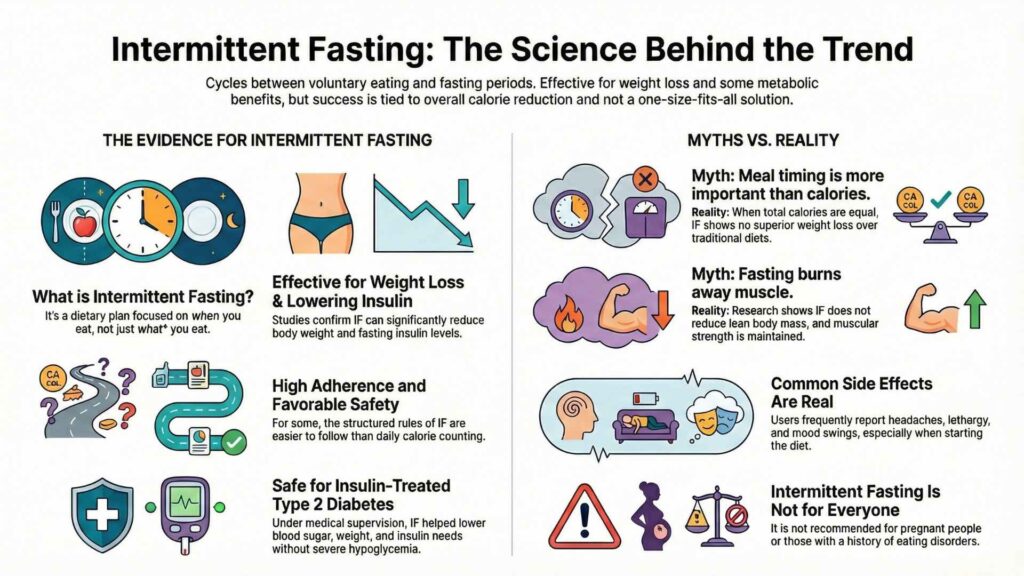
Weight loss is not just about calories; it is a hormonal game. Insulin is the primary fat-storage hormone. When insulin is high, the body cannot burn fat. Intermittent fasting works because it provides the body with long periods of very low insulin levels. This allows the body to access fat stores that may have been locked away for years. Furthermore, research from the National Institutes of Health (NIH) shows that time-restricted eating can significantly improve insulin sensitivity.
When insulin sensitivity improves, the body becomes better at handling carbohydrates during the eating window. This prevents the massive blood sugar spikes and crashes that lead to cravings and energy slumps. Other hormones also shift during a fast. Levels of adiponectin, which helps break down fats, tend to rise. Meanwhile, the hunger hormone ghrelin begins to stabilize, which helps reduce the “hangry” feelings common in traditional dieting.
Deep Dive into Fasting Protocols for Beginners
One of the most appealing aspects of intermittent fasting for beginners is its flexibility. There are several ways to structure a fasting window, each with different benefits and challenges. Let’s break it down so you can choose the one that fits your lifestyle.
The 16/8 Method: The Gold Standard
The 16/8 intermittent fasting schedule is the most popular choice for beginners in fitness. It involves fasting for 16 hours and eating during an 8-hour window. For most people, this is as simple as skipping breakfast and finishing dinner by 8 PM. You might eat your first meal at noon and your last meal by 8 PM. This method is highly effective for burning body fat because it gives the body enough time to enter the early stages of ketosis every single day.
The 16/8 fasting results often show a modest but consistent weight loss of about half a pound per week. This might seem slow, but it is sustainable. It helps prevent the metabolic crash often seen with more extreme diets. Many practitioners find that their hunger levels even out after the first few weeks as their body adapts to the new schedule.
The 14/10 and 12/12 Approaches
For those who find a 16-hour fast too difficult at first, the 14/10 method is a great stepping stone. This involves a 14-hour fast and a 10-hour eating window. For instance, you could eat between 9 AM and 7 PM. Even this shorter window can lead to an 8.5% decrease in body weight over two months in some participants. The 12/12 method is the most basic form of time-restricted eating. It simply involves not eating for 12 hours, typically overnight. This is an excellent way to eliminate late-night snacking, which is a major contributor to weight gain.
Periodic and Whole-Day Fasting
More advanced strategies include the 5:2 method and alternate day fasting. The 5:2 approach involves eating normally for five days a week and restricting calories to 500–600 on the other two days. This method offers more flexibility for social events on weekends. Alternate day fasting is more rigorous, requiring you to fast every other day. While it can lead to faster weight loss, it is often harder to maintain long-term for beginners. The following table compares the intensity and weight loss potential of these methods.
| Fasting Method | Difficulty Level | Typical Weight Loss | Primary Benefit |
| 12/12 Fasting | Very Low | Minimal/Maintenance | Prevents late-night eating |
| 16/8 Method | Low/Moderate | 0.5–1 lb/week | High sustainability and fat loss |
| 5:2 Diet | Moderate | 1–1.5 lbs/week | Flexible for busy schedules |
| Alternate Day | High | 1.5–2 lbs/week | Rapid metabolic improvement |
| OMAD (23:1) | Very High | Variable | Maximum convenience; advanced |

Analyzing 16/8 Fasting Results and Clinical Data
The truth about intermittent fasting benefits is rooted in scientific evidence. A 2023 systematic review concluded that intermittent fasting combined with calorie restriction is one of the most effective ways to promote weight loss. But what do the numbers actually show? In a well-known study, participants who limited their eating to an 8 to 10-hour window lost an average of 6.6 pounds over three months.
Crucially, this weight loss was almost entirely from fat mass rather than lean muscle. This is a vital distinction. Traditional diets often cause the body to burn muscle for energy, which slows down the metabolism. Intermittent fasting seems to preserve muscle mass better, especially when paired with resistance training. This means you aren’t just getting lighter; you are getting leaner and keeping your metabolic engine running hot.
Impact on Metabolic Health Indicators
The benefits of fasting go beyond the scale. Harvard Health research highlights that time-restricted eating consistently lowers blood pressure. This is likely because fasting helps the body excrete excess sodium through urine. Improved lipid profiles are also common. Studies have shown significant reductions in total cholesterol, LDL (the “bad” cholesterol), and triglycerides.
Fasting also impacts oxidative stress and inflammation. By reducing the constant demand for digestion, the body can redirect energy toward repairing cells. This reduces the risk of chronic diseases like heart disease, rheumatoid arthritis, and even certain types of cancer. In essence, fasting acts as a biological “reset button” for the entire body.
Circadian Rhythms and the Truth About Meal Timing
The timing of your eating window matters just as much as its duration. Our bodies are governed by circadian rhythms—internal 24-hour clocks that regulate everything from sleep to digestion. Our metabolism is naturally more efficient in the morning and early afternoon. This is when insulin sensitivity is at its peak. As the sun goes down, our digestion slows, and our body prepares for rest.
What this really means is that an early eating window is generally more effective for weight loss than a late one. Researchers found that finishing dinner by 5 PM led to dramatic improvements in blood sugar control. While eating from noon to 8 PM is convenient, eating from 8 AM to 4 PM might yield better results for insulin sensitivity.
Nighttime Eating and Metabolic Disruption
Habitual nighttime snacking is one of the biggest hurdles to healthy weight loss tips. Most people eat calorie-dense, low-nutrient foods late at night. This spikes blood sugar right before bed, which interferes with the body’s natural repair processes. It also prevents the body from entering a deep fasting state overnight. Experts recommend starting your fast at least three hours before bedtime to allow your blood sugar to normalize before sleep.
Alignment with your body’s clock also helps regulate cortisol levels. Cortisol, the stress hormone, naturally peaks in the morning to wake us up. If we are constantly stressed or eating at odd hours, cortisol remains high, which encourages fat storage, especially around the midsection. Fasting helps bring these hormonal cycles back into balance.

How to Start Intermittent Fasting Safely
If you are new to this, it is important to start slow. Big changes are hard to keep up. Think of it as training for a marathon; you wouldn’t run 26 miles on your first day. Here is a step-by-step guide to help you build a sustainable intermittent fasting schedule.
- Consult a professional: Before you change your diet, talk to a doctor or a registered dietitian. This is especially true if you have underlying conditions like diabetes or high blood pressure.
- Pick your starting window: Start with a 12-hour fast. If you finish dinner at 7 PM, don’t eat again until 7 AM the next morning.
- Slowly increase the duration: Once you are comfortable, push your breakfast back by one hour every few days. Eventually, you will reach the 16/8 mark.
- Stay hydrated: Drink plenty of water during your fasting window. You can also have black coffee or unsweetened herbal teas.
- Focus on nutrient-dense foods: When you do eat, choose whole foods. Lean proteins, healthy fats, and high-fiber vegetables will keep you full longer.
- Listen to your body: It’s normal to feel a little hungry at first. But if you feel dizzy, weak, or sick, you should break your fast and adjust your schedule.
Managing Hunger and Side Effects
The first two weeks are usually the hardest. Your body is still looking for its usual glucose hits. You might experience minor headaches or irritability—sometimes called “the keto flu” even if you aren’t on a keto diet. This is often due to an electrolyte imbalance. As insulin levels drop, your kidneys release more sodium and water. Adding a pinch of sea salt to your water or using a sugar-free electrolyte powder can help.
Black coffee can be a powerful tool for managing hunger. Caffeine acts as a natural appetite suppressant and can help boost your metabolic rate. Just be sure not to add sugar or cream, as even a small amount of calories can break your fast by triggering an insulin response.
Overcoming Weight Loss Plateaus
It happens to everyone. You lose ten pounds, and then the scale stops moving. This is a weight loss plateau. Your body is a master of adaptation. As you lose weight, your body requires fewer calories to function. Your metabolic rate naturally slows down to prevent what it perceives as starvation.
To break a plateau, you have to present your body with a new challenge. This might mean shortening your eating window further or increasing your physical activity. For example, if you have been doing 16/8, try 18/6 for a few weeks. You could also try adding resistance training. Building muscle increases your basal metabolic rate, meaning you burn more calories even when you are sleeping.
The Impact of “Calorie Creep”
Sometimes the “truth” behind a plateau is simpler: you are eating more than you realize. This is called calorie creep. As you get comfortable with fasting, you might start having larger portions or more snacks during your eating window. Tracking your food for a few days using an app can provide a reality check. Even healthy foods have calories, and you still need a deficit to lose weight.
| Factor | Potential Cause of Plateau | Solution |
| Metabolism | Metabolic Adaptation | Add resistance training; increase protein |
| Nutrition | Calorie Creep | Track calories and macros for 1 week |
| Habit | Late-Night Snacking | Move the eating window earlier |
| Lifestyle | Poor Sleep/Stress | Focus on 7–8 hours of sleep and stress management |
| Strategy | Body Adaptation | Switch IF methods (e.g., move from 16:8 to 5:2) |

Myths and Misconceptions About Fasting
There is a lot of misinformation out there. One common myth is that fasting destroys your metabolism by putting you in “starvation mode.” The reality is quite the opposite. Short-term fasting can actually increase your metabolic rate by boosting norepinephrine levels. True starvation mode only occurs after days of zero calories or months of extreme caloric restriction.
Another myth is that you can eat whatever you want during your window. If you spend your 8 hours eating ultra-processed foods and sugary drinks, you will likely negate the benefits of the fast. The quality of your food still matters. A diet based on the Mediterranean model—leafy greens, lean proteins, and healthy fats—is the best blueprint for success.
Fasting and Muscle Loss: The Real Story
Many people worry that fasting will eat away their muscle. However, studies show that intermittent fasting is just as effective at preserving muscle as traditional calorie-restricted diets.6 In fact, the increase in growth hormone during fasting actually helps protect muscle tissue. As long as you are eating enough protein during your window and staying active, your muscle mass should be safe.16
Specific Considerations for Different Lifestyles
Intermittent fasting is not a one-size-fits-all solution. Your approach should change depending on your job, your gender, and your fitness goals.
Fasting for Women’s Hormonal Health
Women need to be more careful with fasting than men. The female body is highly sensitive to energy restriction. Prolonged fasts can sometimes disrupt reproductive hormones, leading to irregular periods or increased stress. For many women, a 14/10 or a 16/8 schedule is a safer bet than long 24-hour fasts. It is also important to pay attention to your cycle; many women find they need more calories and a shorter fasting window in the week before their period.
Busy Professionals and Stay-at-Home Parents
For busy professionals, fasting can be a massive time-saver. It means one less meal to prep and one less decision to make during a hectic morning. It can help you stay focused during long meetings by preventing the “after-lunch coma” caused by blood sugar spikes. Stay-at-home parents can also benefit, though they often find it harder to resist snacks while preparing meals for children. Using a timer on your phone to mark the start and end of your eating window can help maintain discipline.
The Athlete’s Perspective
If you are a high-performance athlete, you need to time your fasts around your workouts. While some people enjoy fasted cardio, intense weightlifting or endurance sessions usually require some fuel for peak performance. Many athletes choose to break their fast with a protein-rich meal shortly after their most intense workout of the day to support recovery and muscle growth.
The Future of Fasting: 2025 and Beyond
Recent research from late 2025 has begun to uncover how fasting affects the gut-brain axis. Scientists have found that structured periods of energy restriction are accompanied by shifts in neural activity and microbial communities. This means that the more you fast, the more your body “wants” to eat healthy by reducing cravings in appetite-related brain regions. It is a virtuous cycle that makes long-term weight maintenance much easier.
There is also ongoing research into “fasting-mimicking diets,” which provide the benefits of a fast while still allowing for a small amount of food. This could be a game-changer for people who struggle with complete abstinence. As our understanding of metabolic health grows, it is becoming clear that the “truth” about weight loss is less about a single perfect diet and more about finding a sustainable rhythm that respects our biological heritage.
Common Mistakes to Avoid
- Breaking your fast with a “feast”: Opening your window with a massive, heavy meal can cause digestive distress and a huge insulin spike. Start with something light, like a protein shake or a small bowl of Greek yogurt.
- Neglecting sleep: Poor sleep increases hunger and makes you more likely to break your fast early.
- Ignoring liquid calories: Many people forget that cream in their coffee or a “healthy” juice can break a fast.
- Inconsistency: Skipping your fasting window on weekends can make it much harder for your body to adapt during the week.
- Not eating enough: If you restrict your calories too much during your window, you may find yourself consuming excessively later.

Frequently Asked Questions (FAQs)
What is the intermittent fasting weight loss truth for beginners?
The truth is that intermittent fasting is a tool for managing insulin and calories, not a magic pill. For beginners, it works by extending the time your body spends in a fat-burning state. It is highly effective because it simplifies the weight loss process, but success still depends on choosing nutritious foods and staying consistent with your window.
How does fasting for fat loss compare to traditional dieting?
Fasting for fat loss is often more effective at preserving lean muscle mass than traditional low-calorie diets. While both can lead to weight loss, fasting specifically targets the hormonal environment—lowering insulin and increasing growth hormone—to prioritize the breakdown of stored body fat for energy.
Why am I hitting weight loss plateaus with intermittent fasting?
Weight loss plateaus are usually caused by your metabolism slowing down as you lose weight. To overcome this, you may need to increase your protein intake, incorporate resistance training, or slightly shorten your eating window. “Calorie creep,” or eating more than you realize during your window, is also a common culprit.
What are the typical 16/8 fasting results for metabolic health?
Most people see a significant reduction in blood pressure and improved blood sugar levels within three months of consistent 16/8 fasting. Clinical data indicates an average weight loss of about 3% to 4% of body weight, with a specific reduction in “trunk fat,” which is a major risk factor for heart disease and diabetes.
Can I drink anything during the fasting window?
Yes, but only zero-calorie beverages. Water, carbonated water, black coffee, and unsweetened tea are the best choices. Avoid any drinks with sugar, milk, or cream, as these trigger insulin and stop the fat-burning process. Be cautious with artificial sweeteners, as some can still impact your metabolic state.
Summary and Practical Steps
Intermittent fasting is a powerful, science-backed approach to weight loss that focuses on the biological timing of your meals. By switching from a glucose-dependent state to a fat-burning one, you can improve your insulin sensitivity, reduce inflammation, and achieve a leaner body composition without the stress of constant calorie counting. Here is the thing: the best diet is the one you can stick to. If you find that skipping breakfast feels natural, then the 16/8 method might be your perfect match.
The “truth” is that your body already knows how to do this. You just have to give it the time and space to work. Whether you are a busy professional, a stay-at-home parent, or an athlete, there is a fasting schedule that can work for you. Start slow, stay hydrated, and focus on the quality of your food.
Ready to build a plan that actually fits your life? Visit https://test.dietdekho.com/form/ to get started with an expert dietitian today.
BOOK YOUR APPOINTMENT
Abhinav is the Founder of Diet Dekho, helping people manage weight and lifestyle health through simple, practical nutrition and personalized diet plans.