Imagine Anjali, a 34-year-old software engineer living in Seattle. She starts her day at 6:00 AM, rushing to get her kids ready for school while preparing for her first global stand-up call. Like many of us, she’s noticed her weight creeping up over the last few years, especially since moving abroad. She’s tried the typical advice—spending an hour on the treadmill or eating bland salads—but it never sticks. Between her PCOD symptoms, a family history of diabetes, and a high-stress job, she feels like her body is working against her.
She often asks herself how to diet FASTer without losing her mind or her love for Indian food. If you’ve ever felt like Anjali, staring at a plate of quinoa and wishing it was a warm bowl of dal and rice, I want you to know that you are not the failure. The standard “one-size-fits-all” approach to weight loss simply wasn’t designed for our Indian physiology or our hectic schedules.
I’ve spent a decade as a dietitian guiding people just like you, and what I’ve learned is that “fast” doesn’t have to mean “fad.” When we talk about how to diet FASTer, we are looking at a framework that combines Intermittent Fasting (FAST) with a metabolic approach that respects your time and your health conditions. We are going to look at why your body might be holding onto weight and how we can use the wisdom of our traditional Indian kitchen, backed by clinical research, to get you results that actually stay.
Table of Contents
- 1 Understanding the metabolism of Indian weight loss
- 2 Solving the PCOD and PCOS weight loss puzzle
- 3 Managing weight loss with hypothyroidism
- 4 Beating diabetes and hypertension with the DASH approach
- 5 The mastery of intermittent fasting (IF) for busy schedules
- 6 Weight loss for NRIs: Rooting back to Indian wisdom
- 7 High-protein Indian foods: The key to fat loss
- 8 NEAT: Losing weight without hitting the gym
- 9 Smart meal prep hacks for the Indian kitchen
- 10 The emotional side of your weight loss journey
- 11 Frequently asked questions for rapid results
- 12 Taking the first step toward a healthier you
Understanding the metabolism of Indian weight loss
To understand how to lose weight fast, we first have to look at what’s happening under the hood. Many of my clients come to me after trying a very low-calorie diet, only to find that they stop losing weight after two weeks. This happens because of a process called metabolic adaptation. Think of your metabolism like a smart thermostat. When you drastically cut your calories, your body thinks there is a famine and turns down its energy usage to save you. This is why contestants on weight-loss shows often struggle to keep the weight off; their metabolisms can slow down by as much as 500 calories a day.
What this means for your daily routine is that we can’t just starve ourselves. We need to create a calorie deficit that is strategic. According to the National Institutes of Health (NIH), a safe and sustainable pace is about one to two pounds per week, but research also shows that initial rapid weight loss can actually be a great motivator. Rapid loss doesn’t always lead to faster regain if you do it the right way—by protecting your muscle mass and keeping your hormones happy.
| Factor | Impact of Rapid Weight Loss | Impact of Gradual Weight Loss |
| Motivation | High initial boost | Steady, lower dropout rates |
| Muscle Mass | Risk of loss if protein is low | Better preservation of lean mass |
| Metabolism | Higher metabolic adaptation | Minimal adaptation |
| Lipid Profile | Significant LDL/TG reduction | Moderate improvements |
| Long-term Success | Depends on habit changes | High correlation with sustainability |

Solving the PCOD and PCOS weight loss puzzle
If you’re dealing with PCOD or PCOS, losing weight can feel like pushing a boulder uphill. It isn’t just about calories; it’s about insulin. When you have PCOS, your body struggles to use insulin effectively, which leads to higher blood sugar and fat storage, especially around the belly.13 I know it’s hard to stay motivated when you’re doing everything right and the scale isn’t moving, but the key is changing what you eat to control that insulin.
Let’s simplify this. Instead of cutting out carbs entirely, we switch to Low Glycemic Index (GI) carbohydrates. These are “slow” carbs that don’t cause a massive spike in your blood sugar. Traditional Indian grains like ragi, bajra, and jowar are absolute superstars here. For example, ragi has a glycemic index of just 35, and it’s packed with calcium and iron, which are often low in women with PCOS. What this means for your meals is that you can still have your dosas and rotis, but we’re going to change the flour we use.
| Grain/Millet | Glycemic Index (GI) | Primary Benefit for PCOS |
| Ragi (Finger Millet) | 35 | Rich in iron and calcium |
| Bajra (Pearl Millet) | 55 | High protein content |
| Jowar (Sorghum) | Low | Gluten-free and antioxidant-rich |
| Brown Rice | 50 | Higher fiber than white rice |
| Quinoa | 35 | Complete plant-based protein |
I also want you to start using our Indian spices as “medicinal” tools. Turmeric contains curcumin, which can reduce inflammation by nearly 30%. Methi (fenugreek) seeds are another powerful tool; soaking them overnight and drinking the water can help lower your fasting glucose. I’ve seen clients successfully manage their symptoms just by being consistent with these small, home-based additions.
Managing weight loss with hypothyroidism
Many of my clients with thyroid issues feel like their metabolism has completely shut down. Hypothyroidism can make you feel cold, tired, and prone to muscle stiffness, which makes the very idea of a “fast” diet feel exhausting. However, your thyroid gland relies on specific minerals to function—mainly Iodine, Selenium, and Zinc.
Selenium is especially important because it helps your body convert the inactive thyroid hormone (T4) into the active form (T3) that your cells can use to burn energy. You can get a huge boost of Selenium just by eating one or two Brazil nuts a day, or by including eggs and whole grains in your diet.
There is a lot of fear around cruciferous vegetables like cauliflower and cabbage. I want to clear that up: you don’t need to avoid them entirely. Cooking these vegetables neutralizes most of the compounds that interfere with your thyroid. What this means for your daily routine is that a hot bowl of Gobi ki Sabzi is perfectly fine, but maybe skip the raw kale smoothie. Also, if you’re taking thyroid medication like thyroxine, remember to take it on an empty stomach and wait at least 60 minutes before having coffee or high-fiber foods to ensure it absorbs properly.

Beating diabetes and hypertension with the DASH approach
If you’re managing high blood pressure or diabetes, you’ve probably heard of the DASH diet. It stands for Dietary Approaches to Stop Hypertension, and it’s one of the most researched diets in the world, supported by the National Institutes of Health (NIH). The core principle is simple: more fruits, vegetables, and low-fat dairy, and way less salt.
For us Indians, the biggest challenge with DASH is the hidden salt and oil in our pickles, papads, and heavy curries. But when you adapt this to an Indian context, it becomes very powerful. Research shows that following a Mediterranean-style diet—which is very similar to a healthy Indian diet—combined with a slight calorie deficit can reduce the risk of type 2 diabetes by nearly one-third.
| Food Group | Daily Servings (DASH) | Indian Choices |
| Grains | 6–8 | Whole wheat roti, Oats, Brown rice |
| Vegetables | 4–5 | Spinach (Saag), Bhindi, Lauki, Tinda |
| Fruits | 4–5 | Guava, Apple, Papaya, Orange |
| Low-fat Dairy | 2–3 | Curd (Dahi), Skimmed milk, Low-fat paneer |
| Lean Protein | ≤2 | Dal, Chana, Grilled chicken/fish |
| Nuts/Seeds | 4–5 per week | Walnuts, Almonds, Flaxseeds |
Reducing your salt intake to less than 1,500 mg a day can have a dramatic effect on your blood pressure, sometimes within just a few weeks. I know it’s hard to imagine food without that punch of salt, but you can use lemon juice, amla, or fresh herbs like coriander and mint to keep the flavor high while keeping the sodium low.
The mastery of intermittent fasting (IF) for busy schedules
Intermittent Fasting is the “FAST” in dieting FASTer. It’s not a traditional diet but an eating pattern that switches between fasting and eating on a regular schedule. For a busy professional or a homemaker who doesn’t have time to cook five small meals a day, IF is a godsend. It works by prolonging the period when your body has burned through the calories from your last meal and starts burning your stored fat for energy.
If you’re a beginner, I always recommend the 14:10 or 16:8 method. This simply means you fast for 14 or 16 hours and eat during a 10 or 8-hour window. For example, if you finish dinner by 8:00 PM and don’t eat until 10:00 AM or 12:00 PM the next day, you’ve already done it! Most people find this easier because they are sleeping through most of the fasting window.
| IF Method | Fasting Window | Eating Window | Best For |
| 12:12 | 12 Hours | 12 Hours | Absolute beginners |
| 14:10 | 14 Hours | 10 Hours | Easing into fasting |
| 16:8 | 16 Hours | 8 Hours | Fat loss & busy professionals |
| 5:2 | 2 Days (500 cal) | 5 Days Normal | Flexibility over structure |
One thing I see often is people “cheating” during the fasting window with just a “little” splash of milk in their tea. I have to be honest with you: that milk can break the fast and stop the fat-burning process. Stick to black coffee, green tea, or plain water. Once you get past the first few days, your body adjusts, and that morning hunger usually disappears as your hormones stabilize.

Weight loss for NRIs: Rooting back to Indian wisdom
If you’re living in the USA, UK, or Canada, you might have noticed that your health declined after moving. This is so common it has a name: the “immigrant paradox.” Within months of arriving, immigrants often lose the healthy gut bacteria they had back home, leading to weight gain and metabolic issues. Many NRIs try to fit in by eating salads and quinoa, but these often aren’t as satisfying or culturally resonant as our traditional foods.
I want you to rediscover Indian food wisdom. You don’t need expensive supplements or trendy Western diets. Your local Walmart or Costco has everything you need to recreate a healthy Indian plate. Instead of expensive artisan breads, stick to whole wheat rotis. Instead of processed “low-fat” snacks, go for roasted chana or makhana.
| Western Product | Indian Swap | Why it’s better |
| Breakfast Cereal | Vegetable Poha/Upma | Lower sugar, more fiber/veggies |
| White Bread | Multigrain/Jowar Roti | Slower digestion, more nutrients |
| Potato Chips | Roasted Makhana | High fiber, low calorie, crunchy |
| Sugary Yogurt | Plain Curd (Dahi) | Probiotics for gut health |
| Soft Drinks | Buttermilk (Chaas) | Hydrating and aids digestion |
Living abroad also means larger portion sizes. A study from Cornell found that people eat 16% more when given a larger bowl. What this means for your daily routine is that you should use the smaller plates you brought from India! It’s a simple trick that satisfies your brain while helping you cut calories effortlessly.
High-protein Indian foods: The key to fat loss
Protein is your best friend when you want to lose weight fast. It keeps you full, reduces cravings, and—most importantly—it helps you keep your muscle while you lose fat. Your body actually burns more calories just trying to digest protein than it does for fat or carbs.
For vegetarians, I know getting enough protein can be a challenge. But we have some incredible options. Paneer is a powerhouse; it provides casein protein which is slow-digesting, keeping you full for hours. Soya chunks, dal, and chickpeas (chana) are also pillars of a good weight loss diet in India. If you eat eggs, they are perhaps the most bioavailable source of protein you can find.
| Food Item | Protein (per 100g) | Best way to eat it |
| Soya Chunks | ~50g | In a stir-fry or curry |
| Paneer (Low-fat) | ~18g | Grilled or in a bhurji |
| Moong Dal | ~24g | Soups, cheelas, or khichdi |
| Eggs | ~13g | Boiled or in a vegetable omelet |
| Chicken Breast | ~23g | Grilled or roasted |
A great tip for my busy professional friends: include protein in your breakfast. Research shows that having eggs or a protein-rich moong dal chilla in the morning keeps hunger at bay and lowers the total calories you eat throughout the day.
NEAT: Losing weight without hitting the gym
Let’s be honest: not everyone has an hour to spend at the gym. And that’s okay. You can still diet FASTer by focusing on NEAT—Non-Exercise Activity Thermogenesis. This is the energy you burn during everything that isn’t sleeping, eating, or dedicated exercise. It includes walking, standing, performing chores, and even fidgeting.
Believe it or not, the calories you burn through NEAT can add up to 2,000 extra calories a day. For a busy homemaker, doing household chores by hand—like washing dishes or kneading dough—is an excellent way to boost your metabolism. For those of us with desk jobs, standing while you take a phone call can burn 70% more calories than sitting.
I know it’s hard to find time, but let’s look at some simple ways to sneak movement into your day:
- The 20-minute Rule: Your brain needs 20 minutes to feel full. Use those 20 minutes after your meal to take a slow walk around the house or office.
- Park Farther Away: Whether you’re at the mall or the grocery store, park at the very end of the lot. Those extra 200 steps add up.
- Take the Stairs: If it’s less than three floors, skip the elevator.
- Stand and Talk: Whenever your phone rings, stand up and pace around the room while you talk.
Smart meal prep hacks for the Indian kitchen
The secret to dieting FASTer is being prepared. When you come home after a long day and you’re hungry, you’re much more likely to order takeout if there’s nothing ready. But Indian cooking can be time-consuming. This is where smart meal prep comes in.
One of the best hacks I’ve learned from my clients is the “Masala Base” method. On Sunday, cook a large batch of onion-tomato-ginger-garlic masala and freeze it in small portions or even an ice tray. During the week, all you have to do is throw a frozen masala cube into a pan with some veggies or boiled dal, and you have a fresh, home-cooked meal in 15 minutes.
You can also boil your legumes—like rajma, chole, and black chana—in bulk and freeze them. These are great for tossing into salads or making a quick curry. If you’re an NRI, look for frozen Indian vegetables like bhindi or tinda; they are just as nutritious as fresh ones and save you a massive amount of chopping time.
The emotional side of your weight loss journey
I want to talk to you like a friend for a moment. Weight loss is not just about numbers on a scale; it’s about how you feel when you wake up in the morning. Many of us are emotional eaters. We reach for cookies or pasta when we’re stressed because they give us an instant hit of “feel-good” hormones.
I know it’s hard to break that cycle, but mindfulness can help. Before you grab a snack, drink a glass of water and wait 10 minutes. Often, our bodies confuse thirst for hunger. Also, remember your “why.” Are you doing this to have more energy to play with your kids? To stop taking diabetes medication? When you connect with that deeper reason, it becomes much easier to stay on track.
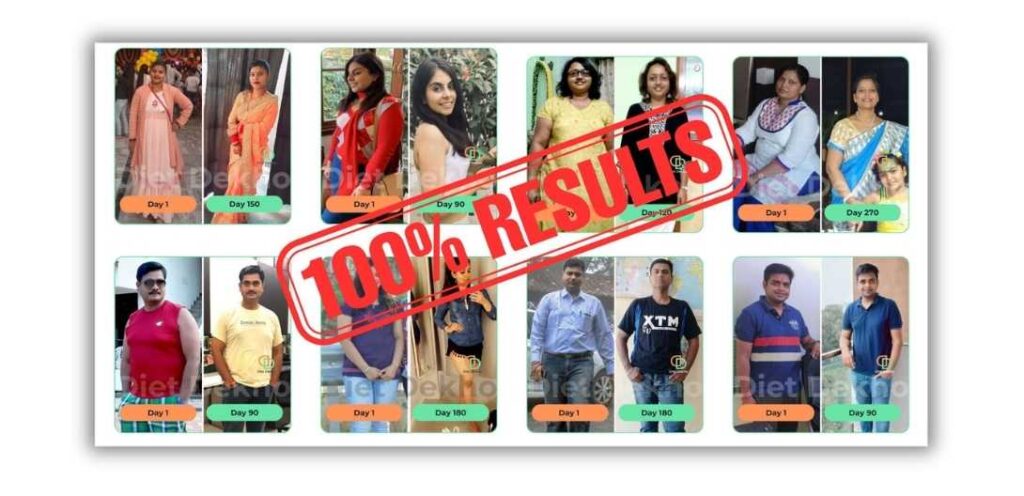
I’ve seen incredible transformations. Fatima, one of our clients, reversed her thyroid symptoms and lost 20 kg just by focusing on sustainable eating and mindful living. Chandni, living in Seattle, lost 48 kg by sticking to home-cooked Indian meals and simple walking routines. You are no different from them. You just need the right plan that fits into your life.

Frequently asked questions for rapid results
How can I lose weight fast at home without going to the gym?
Losing weight at home is all about your kitchen and your NEAT (daily activity). Start by creating a calorie deficit using high-protein Indian foods like dal and paneer which keep you full. Increase your movement by doing household chores, standing during phone calls, and taking short walks after meals. Combining this with intermittent fasting can help you see results quickly without needing any gym equipment.
What is the best diet for fast results if I have PCOS?
For PCOS, the “best” diet is one that controls insulin levels. Focus on a Low Glycemic Index (GI) diet by replacing white rice and maida with millets like ragi and bajra. Include anti-inflammatory spices like turmeric and methi seeds. Ensure you have a protein source at every meal to slow down sugar absorption. Consistency with these changes often yields faster and more sustainable results than crash dieting.
Is intermittent fasting safe for people with diabetes?
Intermittent fasting can be a very powerful tool for managing diabetes, but you must consult your doctor first, especially if you are on insulin or other medications. IF can help improve insulin sensitivity and lower blood sugar levels. Start with a gentle 12:12 or 14:10 window and focus on breaking your fast with high-fiber, nutrient-dense Indian foods.
Which Indian foods help boost metabolism for thyroid patients?
To support your metabolism with hypothyroidism, focus on foods rich in Selenium, Zinc, and Iodine. Whole eggs, Brazil nuts, whole grains, and legumes are excellent choices. Avoid raw cruciferous vegetables; cook them instead to make them thyroid-friendly. Also, ensure you take your thyroid medication on an empty stomach and wait an hour before eating.
How do I maintain my Indian diet while living abroad as an NRI?
The key is to use local grocery stores like Costco or Walmart to find staples like lentils, chickpeas, and brown rice. Swap processed Western snacks for roasted makhana or chana. Use smaller plates to control portions, and don’t be afraid to meal prep your Indian masala bases to save time. You don’t have to give up your culture to be healthy; you just need to adapt it.
Taking the first step toward a healthier you
I know it feels like a lot, but you don’t have to do it all at once. Start with one small change today—maybe it’s skipping that late-night snack to try a 12-hour fast, or swapping your white rice for brown rice at lunch. Every small victory moves you closer to your goal. According to Harvard Health, even if the scale doesn’t move immediately, these healthy changes are already improving your cholesterol, blood sugar, and liver fat.
You are not alone in this. We are here to guide you every step of the way with personalized plans that honor your food culture and your busy life. If you’re ready to stop guessing and start seeing results, let’s build a plan that works for you.
Ready to transform your health with a plan that fits your life?
(https://test.dietdekho.com/form/)
Disclaimer: This blog post was written to help you make healthier food choices altogether. So, be aware and take care. The important thing to consider is your health before starting a restrictive diet. Always seek advice from a doctor/dietitian before starting if you have any concerns.
BOOK YOUR APPOINTMENT
Abhinav is the Founder of Diet Dekho, helping people manage weight and lifestyle health through simple, practical nutrition and personalized diet plans.