
You have likely been there—staring at a calendar with a big red circle around a date exactly four weeks away. Perhaps it is a wedding, a beach vacation, or simply a personal milestone where you want to feel more comfortable in your own skin. You step onto the scale, look at the number, and immediately wonder: how much weight can you lose in a month? This question is often the starting point for anyone looking to reclaim their health, but the answer is rarely a simple, one-size-fits-all figure.
Imagine a woman named Sarah. She decides to commit to a new health journey on the first of the month. By day seven, she is thrilled to see a five-pound drop. By day twenty-one, the scale has stopped moving entirely, despite her best efforts. Sarah feels like she has failed, yet she is actually in the most productive phase of her metabolic transformation. To understand why Sarah—and you—might experience these fluctuations, we need to dive deep into the biological reality of what happens when you decide to change your body composition over a thirty-day window.
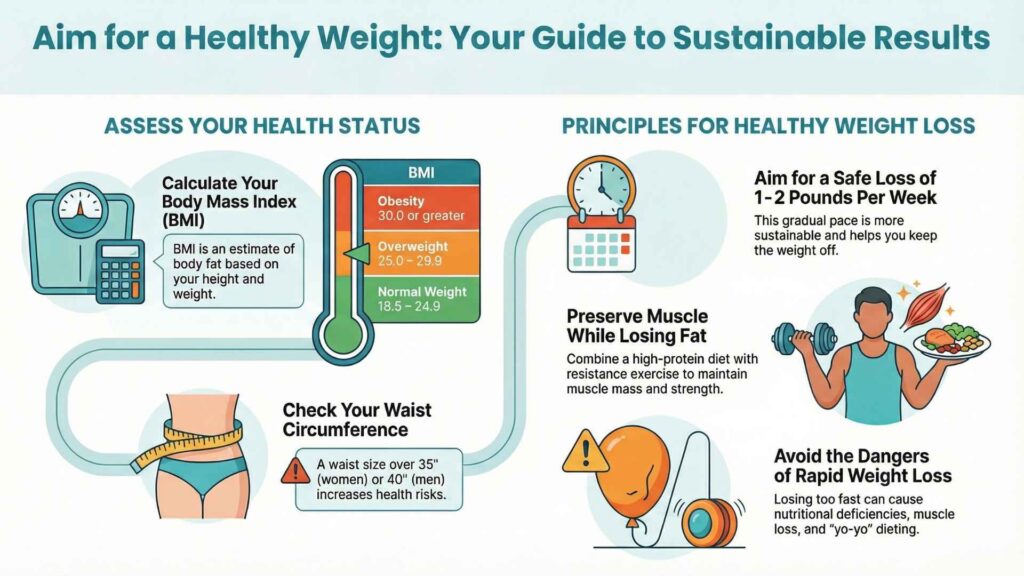
Table of Contents
- 1 The Biological Reality of the First Thirty Days
- 2 Understanding the Difference Between Weight Loss and Fat Loss
- 3 The Role of the Calorie Deficit
- 4 Why Rapid Weight Loss Often Backfires
- 5 Factors That Determine Your Personal Rate of Loss
- 6 Nutritional Foundations for Successful Weight Loss
- 7 The Power of Protein and Fiber
- 8 Strategies for Volume Eating
- 9 Grocery List for the Volume Eater
- 10 The Physical Activity Synergy
- 11 The Impact of Sleep and Stress
- 12 Setting SMART Weight Loss Goals
- 13 Navigating the Second Stage of Weight Loss
- 14 Common Myths and Misconceptions
- 15 Building a Support System for Longevity
- 16 Conclusion: Starting Your Journey Right
- 17 Frequently Asked Questions
The Biological Reality of the First Thirty Days
When you embark on a mission to lose weight, your body does not immediately start burning fat as its primary fuel source. Instead, it goes through a complex series of adaptations designed to protect its energy stores. In the very beginning, most of the changes you see on the scale are related to fluid balance and glycogen levels. Here is the thing: your body is a survival machine, and it views a sudden calorie deficit as a potential threat.
In the first week to ten days, your body primarily taps into its glycogen stores—a form of stored carbohydrate found in the liver and muscles. What most people do not realize is that every gram of glycogen is bonded to three or four grams of water. As you consume fewer calories and your body uses this glycogen for energy, it releases that water. This is why you might see a dramatic drop of four to eight pounds in just a few days. It is an exciting start, but it is important to recognize it for what it is: a shift in hydration, not a permanent loss of body fat.
Understanding the Difference Between Weight Loss and Fat Loss
It is vital to distinguish between general weight loss and specific fat loss. Weight loss is a decrease in your overall body mass, which can include muscle, water, and even bone density. Fat loss, on the other hand, is the targeted reduction of adipose tissue. While the terms are often used interchangeably, fat loss is the much healthier and more sustainable goal. Losing muscle mass is actually counterproductive because muscle is metabolically active tissue that helps you burn calories even when you are resting.
If you lose weight too rapidly through extreme restriction, your body is more likely to break down muscle for energy. This is why professionals emphasize a gradual approach. The consensus among authority organizations like the CDC and Harvard Health is that a loss of one to two pounds per week is the gold standard for sustainability. Over a month, this means a realistic weight loss goal is between four and eight pounds of actual body mass.
The Role of the Calorie Deficit
At the heart of any weight loss plan is the principle of energy balance. To lose fat, you must create a calorie deficit, which means you are expending more energy through your daily life and exercise than you are consuming through food and beverages. While this sounds like a simple mathematical equation, the quality of those calories dictates how hungry or energized you feel throughout the day.
A common recommendation is to aim for a 500-calorie daily deficit. Over a week, this adds up to 3,500 calories, which is roughly equivalent to one pound of fat. You can achieve this by eating 250 fewer calories and burning an extra 250 through activity. However, it is important not to push this deficit too far. If you drop your intake too low, your basal metabolic rate (BMR) may slow down to compensate, leading to the dreaded weight loss plateau. If you are unsure where to start with your specific numbers, you can begin by providing your details through this(https://test.dietdekho.com/form/) to get a personalized baseline.
Why Rapid Weight Loss Often Backfires
The allure of losing ten or twenty pounds in a month is strong, but the science suggests these rapid results are often temporary. When you lose weight extremely fast, your body often enters a state of “metabolic adaptation,” where it becomes much more efficient at holding onto energy. This is a carry-over from our ancestors who had to survive periods of famine.
Furthermore, rapid weight loss is rarely just fat. A study from the Academy of Nutrition and Dietetics points out that losing weight too quickly leads to a loss of muscle and bone. When you eventually stop the restrictive diet, you have less muscle to burn calories, making it much easier to regain the weight—and often a few extra pounds to boot. This cycle is known as “yo-yo dieting,” and it can be incredibly taxing on both your physical health and your mental well-being.

Factors That Determine Your Personal Rate of Loss
No two people lose weight at exactly the same speed. Several biological and environmental factors influence how your body responds to a calorie deficit. Your initial starting weight is perhaps the biggest variable. Heavier individuals typically lose more weight in the first month because a larger body requires more energy to function and move.
Age also plays a significant role. As we age, we naturally tend to lose muscle mass, which can slow down our resting metabolic rate (RMR). Gender is another factor; men often lose weight faster initially because they usually have higher levels of lean muscle mass. However, research has shown that women can be just as successful in the long run, especially when focusing on sustainable lifestyle changes.
| Factor | Impact on Monthly Weight Loss | Reason |
| Starting Weight | High | Heavier bodies burn more calories at rest and during movement. |
| Muscle Mass | High | Muscle is metabolically active and increases RMR. |
| Gender | Moderate | Men typically have more muscle; women face more hormonal fluid shifts. |
| Sleep Quality | Moderate | Poor sleep disrupts hunger hormones ghrelin and leptin. |
| Age | Moderate | Metabolic rate can decrease slightly with age due to muscle loss. |
Nutritional Foundations for Successful Weight Loss
If you want to maintain a calorie deficit without feeling like you are constantly fighting your own biology, you need to focus on high-quality nutrition. According to Harvard Health, the most successful long-term eating patterns focus on whole, minimally processed foods. The Mediterranean diet is frequently cited as the healthiest model because it emphasizes lean proteins, healthy fats, and plenty of plant-based fiber.
The “Healthy Eating Plate” model suggests that half of your plate should consist of vegetables and fruits, one-quarter should be whole grains, and one-quarter should be healthy protein. This balance ensures you are getting the micronutrients your body needs to function while naturally keeping your calorie intake in check. Avoiding sugary drinks and refined starches is one of the fastest ways to reduce your overall caloric load without sacrificing the volume of food you eat.
The Power of Protein and Fiber
When it comes to satiety—the feeling of being full and satisfied—protein and fiber are the heavy hitters. Protein is essential during weight loss because it helps protect your muscle mass while you are in a calorie deficit.8 It also has a higher thermic effect, meaning your body burns more energy just to digest it.
Fiber, found in legumes, vegetables, and whole grains, acts like a sponge in your digestive tract, slowing down the absorption of nutrients and keeping you full for longer. A simple but effective strategy often called the “30-30-30” rule suggests consuming 30 grams of protein at each meal and 30 grams of fiber per day while engaging in 30 minutes of activity. This combination addresses the hormonal triggers of hunger while supporting your metabolic rate.

Strategies for Volume Eating
One of the biggest psychological hurdles in weight loss is the fear of small portions. This is where “volume eating” comes in. The goal is to eat a high volume of food that is low in calorie density. This allows you to fill your stomach and satisfy your brain’s visual cues for a “large meal” without exceeding your calorie goals.
For instance, you could have a small serving of pasta with heavy cream and cheese, or you could have a larger serving of pasta mixed with two cups of sautéed zucchini, mushrooms, and spinach with a lighter sauce. The second option is significantly lower in calories but much higher in volume and nutrients. By bulking up your meals with leafy greens and water-rich vegetables, you can “hack” your hunger signals.
Grocery List for the Volume Eater
Focusing on the right ingredients makes a 30 day weight loss plan much easier to follow. Here are some of the best high-volume, low-calorie foods to keep in your pantry and fridge:
- Vegetables: Spinach, kale, broccoli, cauliflower, zucchini, bell peppers, and cucumbers.
- Fruits: Watermelon, strawberries, raspberries, and grapefruit.
- Lean Proteins: Egg whites, chicken breast, white fish, and tofu.
- Complex Carbs: Oats, air-popped popcorn, and new potatoes.
- Healthy Fats (in moderation): Avocado, nuts, and olive oil.
By building your meals around these staples, you ensure that you are nourishing your body while staying within your energy budget.
The Physical Activity Synergy
While you cannot “outrun a bad diet,” physical activity is a crucial component of healthy weight loss. Exercise does more than just burn calories; it improves your cardiovascular health, boosts your mood, and helps regulate your blood sugar.
The National Institutes of Health (NIH) recommends a mix of cardiovascular exercise and strength training. Cardio, such as brisk walking, swimming, or cycling, is excellent for immediate calorie expenditure. Strength training, on the other hand, is about building the “engine” of your metabolism. Even two sessions of resistance training per week can help you preserve muscle mass as you lose fat, ensuring that your results are sustainable.

The Impact of Sleep and Stress
We often think of weight loss as occurring only in the kitchen or the gym, but your bedroom and your mental state are just as important. Chronic stress leads to elevated levels of cortisol, a hormone that can trigger cravings for high-calorie “junk” foods and encourage fat storage around the midsection.
Similarly, getting seven to nine hours of quality sleep is non-negotiable. Sleep deprivation messes with your hunger hormones, making you feel ravenous even when you have eaten enough. It also reduces your willpower, making it much harder to resist temptations. If you want to lose weight in a month, prioritizing rest is just as important as choosing the right salad.
Setting SMART Weight Loss Goals
Success in the first thirty days often comes down to the way you frame your goals. Vague aspirations like “I want to lose weight fast” usually lead to frustration. Instead, use the SMART acronym to create goals that are Specific, Measurable, Achievable, Relevant, and Time-bound.
Instead of focusing only on the scale, set behavioral goals. For example, “I will walk for thirty minutes five times a week” or “I will include a serving of protein with every breakfast.” These are actions you can control every day, regardless of what the scale says. By stacking these small wins, you build the confidence needed to keep going when the initial excitement of the first week fades.
As you move past the first two weeks, you enter the “slow weight loss” stage. This is where the real work happens. The scale might only move by half a pound or stay stagnant for a few days. This is not a sign of failure; it is a sign that your body is shifting its primary energy source to stored fat.
This stage requires patience. Many people quit here because they miss the rapid drops of week one. But if you stick with your plan, you will eventually experience what some call the “whoosh effect,” where your body finally releases the water it was holding onto during the fat-burning process. Consistency is the only way to get through this phase and see long-term results.

Common Myths and Misconceptions
The world of weight loss is full of “voodoo” and fad diets that promise the moon but deliver nothing but frustration. Let’s set the record straight on a few common myths:
- Myth: You have to eliminate all fats to lose weight. Fact: Healthy fats are essential for hormone production and keep you feeling full.
- Myth: All calories are equal. Fact: While the number matters for weight loss, the source of the calorie determines your metabolic health and hunger levels.
- Myth: You shouldn’t eat after 7 PM. Fact: Total daily calorie intake is what matters most. While avoiding late-night snacks can help some people, the time of day does not magically change how calories are processed.
- Myth: Cardio is the only way to lose weight. Fact: Strength training is equally important for maintaining metabolism and body composition.
Building a Support System for Longevity
Losing weight can feel like a lonely journey, but you don’t have to do it by yourself. Research shows that having a support system—whether it’s a friend, a family member, or a professional weight loss group—significantly increases your chances of success.
Sharing your goals with someone else provides accountability and a source of motivation on the days when you are struggling. If you feel like you need more structured guidance, working with a registered dietitian can provide you with a roadmap that is safe, effective, and tailored to your specific medical history and lifestyle.
Conclusion: Starting Your Journey Right
So, how much weight can you lose in a month? While the scale might show a loss of ten or more pounds if you are just starting, the most important figure is the four to eight pounds of sustainable fat loss you can achieve through consistent, healthy habits. The first thirty days are about laying the foundation. It is about learning how to fuel your body, how to move more, and how to manage the mental hurdles that have held you back in the past.
Weight loss is not a linear process. There will be “whooshes,” plateaus, and everything in between. But if you focus on the quality of your food, the consistency of your movement, and the importance of your rest, you will find yourself feeling lighter and more energetic by the end of the month. You don’t need a miracle pill or a crash diet; you just need a plan that you can stick with for the long haul.
Are you ready to stop guessing and start seeing results?(https://test.dietdekho.com/form/) today to get a personalized weight loss plan that actually works for your life.

Frequently Asked Questions
What is a realistic weight loss per month for a beginner?
For most beginners, a realistic and healthy goal is to lose four to eight pounds per month. This equates to the expert-recommended rate of one to two pounds per week, which is the most effective way to ensure you are losing fat rather than muscle.
Why does my weight fluctuate so much day-to-day?
Daily fluctuations are completely normal and are usually caused by changes in water retention, sodium intake, and glycogen levels. A single high-sodium meal can cause you to “gain” two pounds of water weight overnight, which will naturally flush out over the next day or two.
Can I lose 10 pounds in 30 days safely?
While some people can lose 10 pounds in a month, especially those with a higher starting weight, a significant portion of that will be water weight. Aiming for more than 2 pounds of fat loss per week can often lead to muscle loss and a slower metabolism.
Is a calorie deficit enough to lose weight without exercise?
Yes, a calorie deficit is the fundamental requirement for weight loss. However, combining it with exercise is much more effective for body composition, heart health, and keeping the weight off in the long term.
How do I break through a weight loss plateau?
Plateaus often occur as your body adapts to its new weight. To break through, try focusing on increasing your protein and fiber intake, varying your exercise routine, or ensuring you are getting enough sleep to manage cortisol levels.
BOOK YOUR APPOINTMENT
Abhinav is the Founder of Diet Dekho, helping people manage weight and lifestyle health through simple, practical nutrition and personalized diet plans.