
I want you to pause for a moment and think about your morning. Maybe you woke up feeling heavy, not just in your body but in your mind too. You opened your wardrobe and felt that familiar discomfort when your favourite outfit didn’t fit the way it used to. For many people, the journey from Higherweight to Healthy Weight begins with moments like these. There’s a 9:00 AM meeting, the kids need their tiffin, and the idea of a one-hour gym session feels unrealistic. When everyone depends on you, finding time for yourself feels impossible.
If you are struggling with your weight while managing PCOD, thyroid issues, or the emotional stress of living away from home as an NRI, understand this clearly: you are not failing. Your body is responding to hormones, biology, daily stress, and lifestyle patterns. Weight gain in a Higherweight body is not a lack of discipline. Moving from Higherweight to Healthy Weight requires understanding, not self-blame.
Here’s the thing. Weight loss is not a fight against your body. It is a process of learning how to support your body and gradually move from Higherweight to Healthy Weight by working with its natural rhythm, not against it. When you understand what your body truly needs, the transition from Higherweight to Healthy Weight becomes realistic, sustainable, and kind to your long-term health.
Table of Contents
- 1 The Reality of Weight Loss Resistance
- 2 Reframing Clinical Success
- 3 Understanding the PCOD and PCOS Struggle
- 4 The Anti-Inflammatory Approach to PCOS
- 5 The Role of Fiber and Protein in Insulin Sensitivity
- 6 Solving the Thyroid Weight Loss Puzzle
- 7 Nutritional Support for a Sluggish Metabolism
- 8 Managing Hypertension and Diabetes with DASH
- 9 A Balanced Plate for Heart Health
- 10 The Unique Challenges for the NRI Community
- 11 Balancing Tradition with a New Environment
- 12 The Secret Power of Non-Exercise Activity (NEAT)
- 13 Calorie Burning in the Indian Household
- 14 Master the Art of Indian Meal Prep
- 15 A Simple 7-Day Indian Weight Loss Plan
- 16 Small Steps for Busy Professionals
- 17 The Psychological Journey: Be Kind to Yourself
- 18 Looking Toward 2025 and 2026
- 19 Strengthening Your Support System
- 20 Frequently Asked Questions (FAQs)
- 21 Conclusion: Your Next Steps
The Reality of Weight Loss Resistance
We often hear that if we just eat less and move more, the weight will disappear. However, recent studies from Harvard and Ben Gurion University show us a much more nuanced picture. Their research found that nearly one-third of people who follow a healthy diet do not lose any weight at all. This can feel devastating if you are only looking at the scale. But here is the silver lining: even when the weight doesn’t shift, a healthy diet creates deep metabolic changes that protect your heart and liver. Success in your weight loss diet plan should be measured by how your body functions, not just how it looks in the mirror.
What this means for your daily routine is that the quality of your food matters more than a strict calorie count. When you choose nutrient-dense foods, you are signaling to your body that it is safe to burn fat. For many, especially women over 40, the body begins to resist weight loss due to declining estrogen and progesterone, which can slow down the metabolism and disrupt how we recognize fullness. It is not a flaw in your character; it is a shift in your biology.

Reframing Clinical Success
The old way of thinking labeled people who didn’t lose weight as failures. But the lead author of the Harvard study, Anat Yaskolka Meir, suggests that we need to reframe what success looks like. If your cholesterol is improving, if your hunger hormones like leptin are decreasing, and if your visceral fat (the dangerous fat around your organs) is shrinking, you are winning. These are “deep metabolic shifts” that reduce your long-term risk for disease.
| Metabolic Benefit | Impact of Healthy Diet (Even Without Weight Loss) | Why It Matters |
| HDL (Good) Cholesterol | Increases significantly | Protects your heart health |
| Leptin Levels | Decreases | Helps you feel less hungry over time |
| Visceral Fat | Reduces | Lowers risk for diabetes and inflammation |
| Liver Fat | Drops | Reduces risk of non-alcoholic fatty liver disease |
Let’s remember that your journey might look different from someone else’s. Genetics, medications, and underlying health conditions all play a role in how quickly or slowly your body responds. Patience is your greatest ally here. It is about creating a weight loss program for yourself that feels like a lifestyle, not a temporary punishment.
Understanding the PCOD and PCOS Struggle
If you have been diagnosed with PCOS or PCOD, you know that weight gain feels like an uphill battle you never signed up for. Between 50% and 75% of women with PCOS struggle with insulin resistance. This means your body makes more insulin than it needs, which prevents glucose from entering your cells for energy and instead stores it as fat. High levels of insulin also trigger the production of androgens, leading to symptoms like acne, thinning hair, and irregular periods.
I know it feels like your body is working against you, but let’s simplify this. The goal for a PCOS-friendly weight loss diet plan is to keep your blood sugar stable and avoid the big spikes that cause your body to pump out excess insulin. Eliminating entire food groups, like all carbohydrates, is usually not sustainable. Instead, we focus on the type of carbs and the timing of your meals.

The Anti-Inflammatory Approach to PCOS
Inflammation is a major driver of PCOS symptoms. Eating too many fried foods, processed snacks, and sugary drinks can ramp up this inflammation and make weight loss nearly impossible. On the other hand, adopting a Mediterranean-style diet can be a powerful tool. This means swapping butter for olive oil and focusing on omega-3 rich fish, beans, and leafy greens.
| Food to Embrace | Why It Helps | Food to Avoid |
| Leafy Greens (Spinach, Kale) | High fiber, low glycemic index | Fried Foods (Chips, Pakoras) |
| Whole Grains (Barley, Brown Rice) | Slow sugar absorption | Sugary Beverages (Sodas, Sweetened Tea) |
| Legumes (Beans, Lentils) | High protein and fiber | Processed Snacks (Cookies, Candy) |
| Whole Fruit | Provides fiber and antioxidants | Refined Flour (White Bread, Maida) |
What this means for your daily routine is that you should aim for smaller, more frequent meals—roughly every four hours—to keep your energy steady. While intermittent fasting is popular, it might not be the best choice for someone with PCOS because it can lead to consuming too many calories in a short window or causing blood sugar dips that trigger excessive food consumption.
The Role of Fiber and Protein in Insulin Sensitivity
When you are managing PCOS, fiber and protein are your two best friends. Fiber slows down digestion, which prevents those sharp rises in blood sugar after you eat. Most women need about 25 to 30 grams of fiber a day, but many of us barely get half of that. Adding two cups of non-starchy vegetables to your lunch and dinner is a great way to hit that goal.
Protein is equally important because it helps you feel full and supports lean muscle mass. I recommend aiming for at least 1 to 1.5 grams of protein per kilogram of your body weight. This doesn’t have to mean just meat; Greek yogurt, eggs, lentils, and tofu are all excellent, lean sources. By eating protein at every meal and snack, you give your body the tools it needs to regulate its appetite hormones.
Solving the Thyroid Weight Loss Puzzle
If your thyroid is underactive, it is like having a metabolic thermostat that is set too low. Hypothyroidism means your gland isn’t producing enough hormones to regulate how your body turns food into energy. This can make weight gain feel inevitable and weight loss feel like a distant dream. You might feel constantly fatigued, cold, and suffer from brain fog, which makes it even harder to stay active.
I want you to know that medical treatment is the first and most important step. Taking your thyroid medication correctly is vital. You should take it on an empty stomach and wait at least four hours before consuming any calcium, iron, or high-fiber foods that could interfere with its absorption. Once your levels are stabilized with help from a doctor, we can then use nutrition to support your metabolism.
Nutritional Support for a Sluggish Metabolism
While there isn’t a specific “thyroid diet,” certain nutrients help your body convert thyroid hormones into their active form. Selenium, zinc, and iron are essential for this process. You can find these in nuts, seeds, leafy green vegetables, and fatty fish like salmon.
| Nutrient | Source | Role in Thyroid Health |
| Selenium | Brazil nuts, seafood | Helps convert T4 to active T3 |
| Zinc | Legumes, seeds, whole grains | Supports hormone production |
| Iron | Spinach, lentils, lean meat | Crucial for metabolic function |
| Magnesium | Almonds, dark chocolate | Reduces systemic inflammation |
Let’s simplify this: avoid extreme, low-calorie crash diets. When you starve your body, it responds by slowing down your thyroid function even further to conserve energy. Instead, focus on smaller, frequent meals that include lean proteins and complex carbohydrates. This keeps your blood sugar in a healthy zone and prevents the “starvation mode” that sabotages your progress.

Managing Hypertension and Diabetes with DASH
High blood pressure and diabetes often go hand-in-hand with carrying extra weight. The DASH diet, which stands for Dietary Approaches to Stop Hypertension, was specifically designed to help. The beauty of this plan is that it isn’t just about weight loss; it is about heart health. NIH trials have shown that the DASH diet can significantly lower blood pressure in just a couple of months.
The core of the DASH plan is simple: eat more fruits, vegetables, and whole grains while cutting back on salt and saturated fats. If you can lower your sodium intake to about 1,500 to 2,300 milligrams a day—roughly one teaspoon of salt—you will see a major benefit. For an Indian kitchen, this means being mindful of pickles, papads, and hidden salts in packaged masalas.
A Balanced Plate for Heart Health
The DASH eating plan focuses on foods rich in potassium, calcium, and magnesium, which help relax blood vessels and lower pressure. You don’t need fancy ingredients to do this. Standard Indian staples like lentils, beans, and green leafy vegetables are perfect for this protocol.
| Food Group | Servings per Day (2000 kcal) | Example Serving |
| Grains | 6-8 | 1 slice of whole-wheat bread or 1/2 cup cooked rice |
| Vegetables | 4-5 | 1 cup raw leafy greens or 1/2 cup cooked vegetables |
| Fruits | 4-5 | 1 medium apple or 1/2 cup fresh fruit |
| Low-fat Dairy | 2-3 | 1 cup skim milk or 1 cup low-fat yogurt |
| Lean Meats/Fish | 6 or less | 1 ounce of cooked chicken or 1 egg |
| Nuts/Seeds/Legumes | 4-5 per week | 1/3 cup nuts or 1/2 cup cooked beans |
I know it’s hard to find time to track every serving, so try the “healthy plate” visual instead. Fill half your plate with colorful vegetables, a quarter with lean protein, and a quarter with whole grains. This simple change ensures you are getting the fiber and nutrients your heart needs without the stress of counting every calorie.
The Unique Challenges for the NRI Community
Living abroad as an NRI brings a specific set of hurdles. The “nutrition transition” often means moving away from a traditional, fiber-heavy Indian diet toward more processed, Western-style convenience foods. In countries like the US or UAE, it is very easy to be bombarded with low-cost, high-calorie options. Many expatriates also face long working hours and sedentary lifestyles, which contribute to rising obesity rates even when calorie intake isn’t excessively high.
There is also an emotional toll. Being separated from family can lead to loneliness and stress, which often results in emotional eating. Food becomes a way to stay connected to your roots, but often, the most accessible “comfort” foods are fried snacks or sweets rather than nutritious home-cooked meals.
Balancing Tradition with a New Environment
You don’t have to give up your culture to be healthy. The key is to strike a balance between your heritage and the region where you live. I recommend using the “heritage and local” approach. Continue to use the spices, dals, and pulses from your heritage—they are incredibly healthy. But for fresh produce like milk, meat, and vegetables, choose what is grown locally in your current city or country.
What this means for your daily routine is that you can still enjoy your dal and sabzi, but perhaps you replace white rice with locally available quinoa or millets like ragi and jowar. If you live in a cold climate, incorporate warming snacks like peanut chikki or sesame seeds to help your body manage the harsh winters.28 It’s about adapting your traditions to fit your current reality.

The Secret Power of Non-Exercise Activity (NEAT)
If you can’t make it to the gym, don’t worry. Most of the calories we burn in a day don’t come from a treadmill; they come from our everyday movements. This is called Non-Exercise Activity Thermogenesis, or NEAT. For a busy homemaker or a professional working from home, this is a game-changer. Household chores are literally “exercises in disguise”.
I know it sounds like more work, but doing your own chores is one of the most effective ways to lose weight naturally. In our modern lives, we have become over-dependent on machines and house help, which has stolen our opportunities to move. By reclaiming these tasks, you can burn hundreds of extra calories every single week.
Calorie Burning in the Indian Household
Let’s look at the numbers. You might be surprised at how much energy you use just maintaining your home. According to the Times of India and other health studies, simple domestic tasks can rival a brisk walk in terms of calorie expenditure.
| Household Chore | Calories Burned per Hour | Muscles Worked |
| Mopping (Squatting style) | 150-250 | Legs, arms, core |
| Vacuuming | 150-300 | Arms, shoulders, legs |
| Washing Dishes (by hand) | 75-125 | Arms, shoulders, back |
| Gardening/Weeding | 200-400 | Full-body workout |
| Kneading Dough | 50 (per session) | Arms, shoulders, chest |
| Cleaning Bathrooms | 150-300 | Full-body, high intensity |
To maximize these benefits, try to perform tasks at a brisk pace. I know it’s hard to find time, but even 20 minutes of mopping can burn 150 calories. Carry small loads of laundry up and down the stairs instead of using a basket, or stand while you are on a conference call. These small shifts add up to significant fat loss over time.
Master the Art of Indian Meal Prep
The biggest reason we fail at healthy eating is a lack of preparation. When you are tired after a long day, you will naturally reach for what is easy. For an Indian kitchen, meal prep can seem daunting because of the complex masalas and soaking times required for dals and rajma. But with a few smart strategies, you can have a healthy meal on the table in 15 minutes.
One of the best tips I can give you is to prepare your “base gravy” or onion-tomato masala in large batches. You can freeze this in small portions or even in ice trays. When it’s time to cook, just pop a masala cube into a pan, add your vegetables or protein, and you are done. You can even freeze half-done parathas or boiled legumes like chickpeas and kidney beans.
A Simple 7-Day Indian Weight Loss Plan
Let’s simplify your week. This plan focuses on whole foods, fiber, and protein while keeping the flavors you love. Remember to stay hydrated by drinking at least 2.5 to 3 liters of water daily, as we often confuse thirst with hunger.
| Days | Morning | Breakfast | Lunch | Snack | Dinner |
|---|---|---|---|---|---|
| Day 1 & Day 2Fiber Foundation | Warm lemon water + 5 soaked almonds | Moong dal cheela with mint chutney or vegetable oats upma | 1 whole-wheat roti, dal, lauki sabzi, fresh salad | Buttermilk (chaas) + roasted makhana | Clear vegetable soup + grilled paneer or lean chicken |
| Day 3 & Day 4Metabolic Boost | — | 2 egg-white omelette with carrots & mushrooms or papaya bowl | Brown rice + mixed sprouts curry + cucumber raita | 1 apple + 2 walnuts | Bajra/jowar roti + stir-fried spinach + moong dal |
| Day 5 to Day 7Sustainable Variety | — | Vegetable poha or banana-oats smoothie | Millet khichdi + kadhi + green gram chaat | Herbal tea + roasted chana | Grilled fish or tandoori paneer + boiled seasonal veggies |
Small Steps for Busy Professionals
If you spend most of your day at a desk, your body is essentially in “storage mode.” To break this, we need to find “movement snacks” throughout the day. I know it’s hard to find time for a full workout, but can you spare five minutes every hour? Walking after every meal is a traditional Indian habit that is backed by science—it can reduce blood sugar spikes by 30% and burn extra calories.
Try these small strategic changes:
- Water First: Drink a glass of water before every meal. This simple habit can reduce your portion sizes by 20%.
- The 4 PM Trap: This is when most of us reach for biscuits or samosas. Replace these with herbal tea, sprouts, or nuts to keep your energy stable until dinner.
- Active Commute: If you are an NRI using public transport, get off one stop early. If you are a homemaker, walk while you are on the phone with your parents or friends.
The Psychological Journey: Be Kind to Yourself
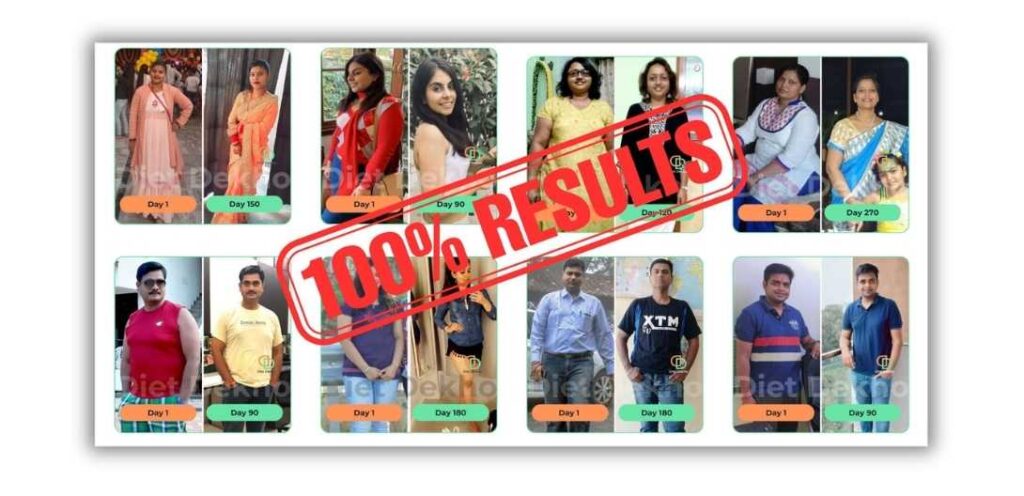
We are often our own harshest critics. You might look at a fitness influencer and feel like you are worlds away from that “perfect” body. But transformation is not about perfection; it is about progress. Payal, a homemaker who lost 10kg in 100 days, realized that the toughest part of navigating life in a larger body was the mental struggle of wanting instant results. She had to learn that every single day she moved her body or made a better food choice, she was winning.
Don’t let a bad day turn into a bad week. If you ate a piece of cake at a birthday party, it doesn’t mean your diet is ruined. It just means you enjoyed a moment. Give yourself grace.39 Weight loss is a marathon of consistency, not a sprint of deprivation. Celebrate your “non-scale victories,” like having the energy to play with your kids or noticing your skin looks clearer.
Consider the story of Chandni Singh, a 39-year-old Seattle resident who lost 48 kg by focusing on home-cooked Indian meals and walking, proving that you can reach your goals without crash dieting. Similarly, a 52-year-old woman recently found success by stopping intense training and adding 90 minutes of extra sleep to support her metabolism instead of pressuring it.
Looking Toward 2025 and 2026
The world of weight management is changing. We are moving away from “fad diets” toward personalized “weight health” programs. There is also a major focus on medical innovations, such as new medications that help manage hunger hormones like GLP-1 for those with significant weight to lose or those struggling with diabetes.
However, even with medical help, lifestyle remains the foundation. The trend for the coming years is “being healthier and stronger,” not just thinner. We are seeing a rise in tools like needle-free glucose monitors and AI-powered apps that help you understand exactly how your body reacts to specific foods. This technology is making it easier than ever to create a beginner weight loss guide that is tailored specifically to you.
Strengthening Your Support System
You don’t have to do this alone. In fact, research shows that people with a support group are much more likely to stick to their goals. This could be a professional coach, a like-minded friend, or even an online community of NRIs who are facing the same challenges as you.
I know it’s hard to prioritize yourself when you have so many responsibilities. But think of self-care as an investment. When you have more energy and better health, you are more productive at work and more present for your family. Your health is the engine that drives your entire life. Let’s make sure it is running smoothly.

Frequently Asked Questions (FAQs)
How can I lose weight naturally with a busy schedule?
Focusing on NEAT (Non-Exercise Activity Thermogenesis) and meal prepping are the most effective strategies. By doing household chores like mopping or gardening, you can burn 150-400 calories per hour. Combining this with a high protein diet for fat loss and prepping your masalas in advance ensures you stay in a healthy energy balance without needing hours at the gym.
What is the best weight loss diet plan for PCOS or PCOD?
The best approach is an anti-inflammatory, low-glycemic diet similar to the Mediterranean or DASH plan. Focus on fiber-rich whole grains, lean proteins at every meal, and healthy fats like olive oil. Smaller, frequent meals every four hours help keep insulin levels stable, which is crucial for managing PCOS symptoms and weight.
Why is a calorie deficit for weight loss harder with hypothyroidism?
Hypothyroidism slows down your basal metabolic rate, meaning your body burns fewer calories at rest. This is why a standard calorie deficit might not work as quickly. You need to support your thyroid with nutrients like selenium and zinc, and avoid crash dieting, which can further suppress your metabolism.
What are some sustainable dieting strategies for NRIs?
NRIs should focus on a “heritage-local” balance—using traditional Indian pulses and spices for their health benefits while sourcing fresh produce and proteins locally. Planning for “movement snacks” like walking after dinner and staying mindful of processed Western snacks are key to maintaining a healthy lifestyle abroad.
Can I lose weight without going to the gym?
Absolutely. Consistent daily walking (aiming for 8,000 to 10,000 steps), vigorous household chores, and resistance training at home using water bottles or bands are highly effective. Research shows that 150 minutes of moderate activity per week can significantly reduce weight and waist circumference in heavier individuals.
Conclusion: Your Next Steps
The journey from a higher weight to a healthy weight is not just about the food on your plate; it is about the compassion in your heart. You have the power to make these changes, one meal and one movement at a time. I know it’s hard to find time, but you deserve to feel energetic and confident in your own skin again. Whether you are managing PCOD, thyroid issues, or just a hectic lifestyle, let’s simplify this journey and make it work for you.
If you want a plan that is as unique as your life, I am here to help you navigate every step. Let’s build a routine that you actually enjoy and that lasts a lifetime.
Ready to start your personalized health journey? Fill out our assessment form here
Disclaimer: This blog post was written to help you make healthier food choices altogether. So, be aware and take care. The important thing to consider is your health before starting a restrictive diet. Always seek advice from a doctor or dietitian before starting if you have any concerns regarding medical conditions like PCOD/PCOS, Diabetes, Thyroid, or Hypertension (BP).
BOOK YOUR APPOINTMENT
Abhinav is the Founder of Diet Dekho, helping people manage weight and lifestyle health through simple, practical nutrition and personalized diet plans.