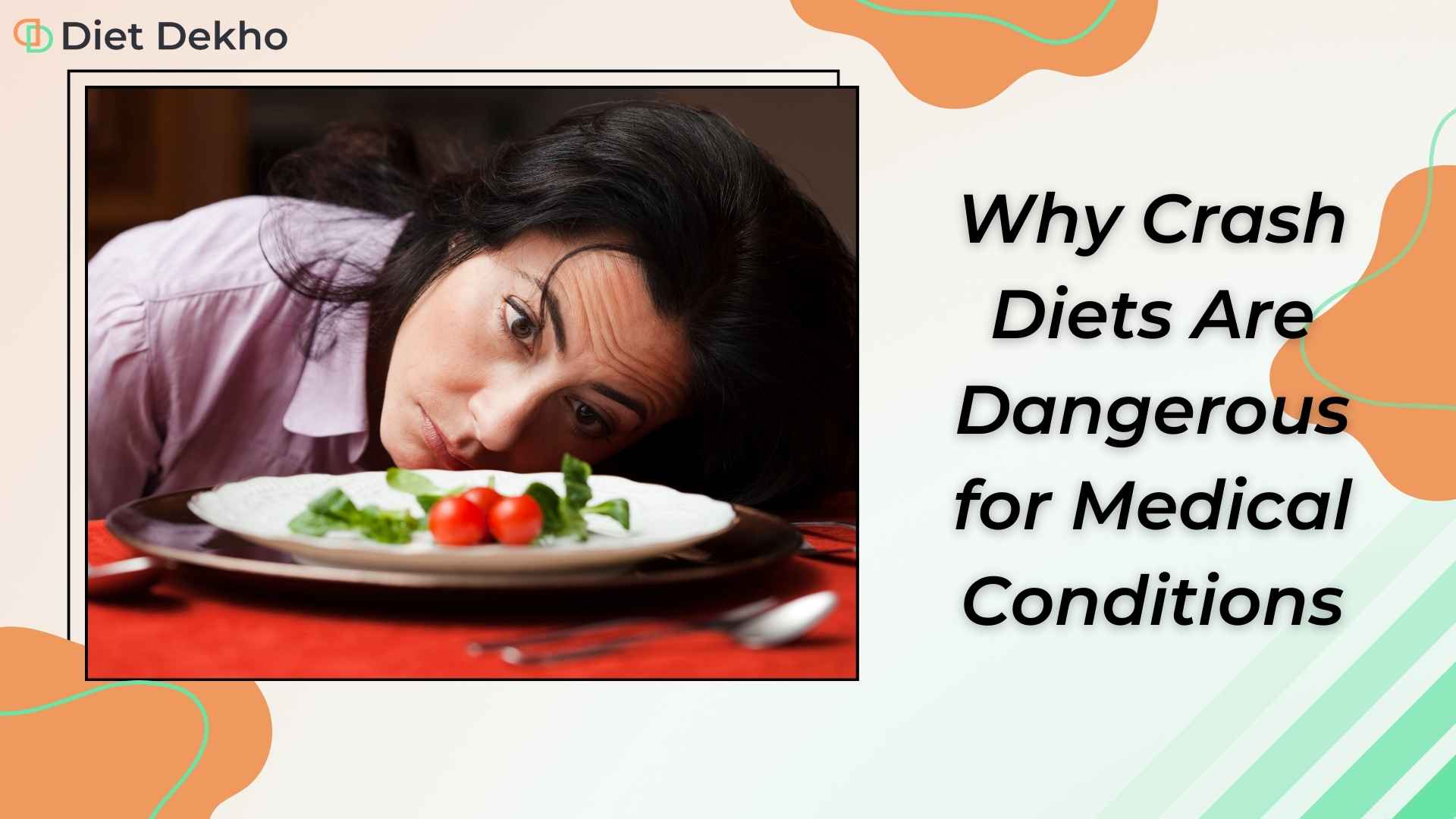
Have you ever felt tempted to lose five kilograms in a single week for a family function? It is a common urge, but why crash diets are dangerous for medical conditions is a question that every Indian patient must prioritize. Consequently, for those managing chronic issues, extreme restriction acts like a physical emergency that can cause lasting damage.
Direct Answer Block The primary reason why crash diets are dangerous for medical conditions is that they trigger acute metabolic slowing and muscle wasting. Specifically, for people with PCOS, diabetes, or thyroid issues, these diets worsen insulin resistance and cause dangerous electrolyte imbalances. Furthermore, rapid weight loss increases gallstone risks and can lead to sudden heart rhythm problems.

Table of Contents
- 1 Is Your Quest for “Instant” Weight Loss Doing More Harm Than Good?
- 2 The Frustrating Cycle of Losing and Regaining Every Kilogram
- 3 3 Dangerous Myths About “Quick Fix” Diets You Need to Stop Following
- 4 What Actually Happens to Your Metabolism When You Starve Your Body
- 5 Why PCOS, Diabetes, and Thyroid Health Require a Slow, Steady Approach
- 6 Sustainable Indian Food Swaps That Protect Your Hormones
- 7 A Balanced 24-Hour Routine for Managing Chronic Conditions
- 8 Common Weight Loss Mistakes That Could Land You in the Hospital
- 9 Celebrate Your Progress: Why Consistency Beats Speed Every Time
- 10 Start Your Journey to Holistic Health with a Diet Dekho Consultant
Is Your Quest for “Instant” Weight Loss Doing More Harm Than Good?
I know it is hard to find time for health between office meetings and family duties. However, you likely want to see results quickly when the scale has not moved for months. Crucially, your internal systems view rapid nutritional changes as a major threat. Therefore, understanding why crash diets are dangerous for medical conditions starts with recognizing how your body maintains its delicate balance.
Your Body’s Reaction to Famine
In simple terms, your body does not know you are trying to look good in a saree. Instead, it simply thinks you are in a famine. Consequently, when you cut calories too low, your system enters survival mode. It then shifts energy away from hormone production and muscle repair to keep your heart beating. For someone already managing a chronic illness, this shift can be devastating.
The False Progress of Early Weight Loss
What this means for your daily routine is that early progress is often a mirage. Specifically, the weight you lose initially is mostly water and precious muscle tissue. This creates a false sense of success while your metabolic health is actually declining. For instance, busy professionals may notice that this loss of functional tissue leads to chronic fatigue and brain fog.
| Feature | Sustainable Weight Loss | Crash Dieting (Danger Zone) |
| Weight Loss Rate | 0.5 – 1.0 kg per week | >1.5 kg per week |
| Primary Mass Lost | Mostly Body Fat | Water, Muscle, and Bone |
| Metabolic Impact | Stable or Slightly Lower BMR | Drastic BMR Suppression |
| Medical Risk | Improved Chronic Markers | Gallstones and Arrhythmia |

The Frustrating Cycle of Losing and Regaining Every Kilogram
The reason most people regain weight after a quick fix is called “metabolic adaptation.” Consequently, your body becomes incredibly efficient at surviving on very few calories. Moreover, this is the core of the “yo-yo effect.” Research shows that many people gain back more than they originally lost.
Visceral Fat and Insulin Resistance
This cycle explains why crash diets are dangerous for medical conditions in the Indian context. For example, in a diabetic patient, weight cycling causes massive fluctuations in blood glucose. Furthermore, when weight returns, it often settles as visceral fat around the organs. Importantly, this specific type of fat increases insulin resistance significantly.
The Biological Trap of Hunger Hormones
Staying motivated is difficult when your biology is working against you. Specifically, during extreme restriction, your hunger hormone (ghrelin) increases and your fullness hormone (leptin) drops. Consequently, these levels can remain imbalanced for months after the diet ends. This drives you to consume food excessively as your body tries to “defend” its original weight.
Cardiovascular Strain from Weight Fluctuations
Moreover, repeated weight cycling places immense pressure on your heart. For instance, frequent changes in weight and blood pressure increase the risk of heart attack. Consequently, for an NRI or Indian professional already prone to heart disease, a “quick fix” is not worth the risk. Therefore, we must prioritize stability over speed to protect our long-term heart health.
3 Dangerous Myths About “Quick Fix” Diets You Need to Stop Following
Social media and WhatsApp groups are full of dietary misinformation. However, let’s simplify the facts and debunk the most common myths.
Myth 1: Carbohydrates are the Enemy
Many clients tell me they have stopped eating rice and rotis to lose weight. In contrast, carbohydrates are actually your body’s primary energy source. While refined sugar is best avoided, complex carbs like millets and whole wheat are essential. Consequently, cutting them out entirely can cause a dangerous drop in blood sugar for diabetics.
Myth 2: Liquid Detoxes Cleanse Your Organs
The idea that you need juices to “remove toxins” is a marketing myth. In reality, your liver and kidneys handle detoxification every single day. Furthermore, liquid diets lack the fiber and protein your body needs. Consequently, the rapid fat loss from liquid diets can cause painful gallstones by thickening your bile.
Myth 3: Weight Loss Requires Constant Hunger
Starvation is not a sign of progress. On the contrary, if you are always starving, your body produces more cortisol. Specifically, high cortisol tells your body to store fat in the belly area. Therefore, a good plan should leave you feeling satisfied and energized. Moreover, managing stress is just as vital as managing calories for hormonal health.
What Actually Happens to Your Metabolism When You Starve Your Body
Metabolic changes during starvation happen at a cellular level. This is a key reason why crash diets are dangerous for medical conditions like hypothyroidism. Specifically, your mitochondria become “thrifty.” Consequently, they learn to do the same work with less fuel, making future fat loss nearly impossible.
The Impact on Thyroid Regulation
Your thyroid gland acts as your body’s internal thermostat. However, under extreme restriction, your body slows the conversion of inactive T4 into active T3 hormone. Importantly, T3 regulates your metabolic rate. Therefore, when it drops, your fat-burning potential drops with it. Research shows T3 can fall by 66% during a very low-calorie diet.
Losing Your Metabolic “Engine”
In addition, losing skeletal muscle is a direct blow to your metabolism. Specifically, muscle tissue burns calories even while you are sleeping. Consequently, when you crash diet, you are essentially shrinking your “engine.” This makes it much harder to process food for years to come. Ultimately, it is a high price to pay for a temporary number on the scale.
Inflammation and Physical Stress
Furthermore, for those with hypertension or diabetes, metabolic slowing is paired with increased inflammation. Specifically, physical stress from starvation produces markers that worsen heart health. As a result, a “fast” result on the scale often hides a slow deterioration of your internal health. Therefore, we must avoid methods that trigger these inflammatory responses.
Why PCOS, Diabetes, and Thyroid Health Require a Slow, Steady Approach
If you manage PCOS or diabetes, your body is in a delicate hormonal balance. However, sudden shocks can cause this balance to fail. This is precisely why crash diets are dangerous for medical conditions involving the endocrine system.
The PCOS and Insulin Connection
Women with PCOS already deal with insulin resistance. Specifically, extreme restriction spikes stress hormones, making cells even more resistant to insulin. Consequently, this triggers a rise in male hormones, which causes acne and irregular periods. Therefore, a crash diet can actually make your core PCOS symptoms much worse.
The Immediate Danger for Diabetics
In contrast, for diabetics, the danger is immediate and life-threatening. For example, medications often lower blood sugar. Therefore, if you stop eating suddenly, your blood sugar can drop to a level that causes fainting or coma. Conversely, the stress of starving can cause the liver to release sugar, leading to unexpected spikes.
Hypothyroidism and the Weight Plateau
Furthermore, thyroid patients often find weight loss difficult to start. Specifically, attempting to force the process with a crash diet only suppresses the thyroid further. Consequently, this creates a cycle where you eat less, but the weight refuses to move. As a result, your metabolic regulator is simply turned down to its lowest setting.
| Condition | Why Crash Dieting is Risky | Recommended Approach |
| PCOS / PCOD | Worsens insulin resistance. | High-fiber, low-GI foods. |
| Type 2 Diabetes | Risk of hypoglycemia. | Regular, timed meals. |
| Hypothyroidism | Suppresses active T3 levels. | Nutrient-dense diet. |
| Hypertension | Strains heart electrical signals. | Low-sodium Indian diet. |
Sustainable Indian Food Swaps That Protect Your Hormones
We do not need expensive “superfoods” from other countries. Instead, our traditional Indian kitchen offers everything we need for safe weight loss. For instance, the 2024 ICMR-NIN guidelines suggest focusing on local grain diversity.
Switching Refined Grains for Millets
Instead of cutting carbs, we should simply swap them. Specifically, replacing white rice with millets like Jowar or Bajra is excellent for diabetics. Furthermore, millets have a lower Glycemic Index (GI). Consequently, they release sugar slowly, keeping your energy stable and your insulin levels low throughout the day.
One-Pot Nutritious Solutions
Moreover, let’s simplify this with easy cooking. For example, a millet khichdi with vegetables and curd is a perfectly balanced meal. Importantly, it provides fiber and protein in one bowl. Therefore, this nourishes your body without triggering the “starvation” alarms. Crucially, it is an easy way to avoid the pitfalls of why crash diets are dangerous for medical conditions.
Traditional Oils and Hormone Health
In addition, your choice of cooking oil also matters. For instance, processed vegetable oils can cause inflammation. In contrast, cold-pressed mustard or groundnut oil provides healthy fats for hormone production. Therefore, healthy fats are essential for skin, hair, and balancing estrogen. Ultimately, never go on a “zero-fat” diet as it disrupts your internal system.
| Instead of This… | Try This sustainable Swap… | Why it Works |
| White Bread | Jowar or Multigrain Roti | Fiber slows sugar release. |
| Sugary Drinks | Spiced Buttermilk (Chaas) | Probiotics with no sugar. |
| Fried Snacks | Roasted Makhana or Chana | High protein content. |
| White Rice | Foxtail Millet (Kangni) | Lower GI and minerals. |
A Balanced 24-Hour Routine for Managing Chronic Conditions
Sustainable health relies on a steady daily rhythm. For instance, for a busy professional or homemaker, a timed eating schedule stabilizes hormones. Consequently, this reduces the intense cravings that often lead to diet failure.
Starting Your Day with Intention
First, begin your morning with proper hydration. Specifically, warm water with soaked methi seeds kickstarts your metabolism. Moreover, avoid drinking tea on an empty stomach to prevent cortisol spikes. Alternatively, have a few soaked almonds instead. Consequently, this provides a steady start for your brain and your hormones.
The Power of a Protein Breakfast
Next, breakfast should be your most nourishing meal. For example, a vegetable-heavy Upma or Poha with sprouts provides fiber and protein. Furthermore, this prevents the mid-morning energy crash. Therefore, the goal is to keep your blood sugar like a gentle wave, not a mountain peak and a valley.
Light Dinners for Better Repair
Finally, dinner should be light and eaten 2-3 hours before sleep. Consequently, this allows your body to focus on repair rather than digestion. For instance, a simple vegetable soup or Moong Dal Khichdi is ideal. Additionally, for PCOS patients, warm turmeric milk before bed can act as a natural anti-inflammatory.
| Time | Recommended Habit | Medical Benefit |
| 7:00 AM | Warm water + Soaked Almonds | Stable early blood sugar. |
| 9:00 AM | Besan Chilla with Veggies | Protects muscle mass. |
| 1:00 PM | Balanced Plate (1/3 Veggies) | Prevents insulin spikes. |
| 4:00 PM | Green Tea + Roasted Chana | Controls evening hunger. |
| 8:00 PM | Light Protein-Based Dinner | Better overnight glucose. |

Common Weight Loss Mistakes That Could Land You in the Hospital
The immediate risks of rapid weight loss are often overlooked. However, following a restrictive diet without supervision can lead to medical emergencies. Importantly, this is a critical part of why crash diets are dangerous for medical conditions in the short term.
The Risk of Electrolyte Imbalance
The most common emergency is an electrolyte imbalance. Specifically, minerals like sodium and potassium control your heart’s electrical signals. Consequently, if these drop too low, it can cause a “heart arrhythmia.” As a result, this irregular heartbeat can be fatal. Therefore, do not ignore muscle cramps or dizziness.
Gallstones and Gallbladder Stasis
Furthermore, another hidden danger is the formation of painful gallstones. Specifically, your gallbladder stores bile to help digest fat. However, on a “zero-fat” or starvation diet, the gallbladder does not empty regularly. Consequently, bile becomes stagnant and forms stones. Ultimately, this often leads to excruciating pain and surgery.
Hypoglycemia in Diabetic Patients
In addition, for diabetics, low blood sugar is a constant threat. For instance, taking insulin while cutting food drastically is dangerous. Specifically, it can lead to seizures and loss of consciousness. Therefore, any dietary change must be discussed with your doctor first. Ultimately, your safety must always come before speed.
Monitoring for Danger Signs
Importantly, watch for muscle weakness and heart palpitations. These are red flags that your body is struggling. Specifically, your heart and muscles need minerals to function properly. Consequently, if you feel weak, your diet is likely too restrictive. Therefore, always listen to these vital signals from your body.
Celebrate Your Progress: Why Consistency Beats Speed Every Time
Ultimately, health is a marathon, not a sprint. Specifically, the real victory is losing two kilograms and keeping it off forever. Moreover, this is the only way to manage conditions like PCOS and diabetes effectively. Therefore, a sustainable approach protects your heart and your happiness.
Focus on Food Quality
For instance, a major Harvard study found that heart health depends on food quality. Importantly, it matters more than whether a diet is low-carb or low-fat. Furthermore, high-quality foods like whole grains and nuts lower heart disease risks. Consequently, focus on nourishing your body with real, minimally processed Indian foods.
The Power of Small Wins
In addition, losing just 5% of your weight leads to clinical improvements. Specifically, for an 80kg person, that is just 4kg. Therefore, this small amount lowers blood pressure and improves insulin sensitivity. Ultimately, you do not need a total transformation overnight to start saving your own life.
Finding Sustainable Support
Moreover, I know it is hard to stay on track alone. Therefore, surround yourself with supportive family members. Crucially, consistency is not about being perfect every day. Instead, it is about being better than you were yesterday. Ultimately, trust the process and your body will reward you with long-term wellness.
Start Your Journey to Holistic Health with a Diet Dekho Consultant
If you struggle to balance medical needs with weight goals, you are not alone. Specifically, we specialize in personalized, research-backed plans at Diet Dekho. Moreover, we understand the Indian lifestyle and the unique challenges of chronic conditions.
Consequently, stop the cycle of “all-or-nothing” dieting today. Instead, let us build a plan that nourishes your heart and balances your hormones. Ultimately, your health is your most valuable asset. Therefore, let’s protect it together.
Ready to start? Fill out our consultation form today: https://test.dietdekho.com/form/

Frequently Asked Questions (FAQs)
How do I know if my plan is a crash diet?
Specifically, if a plan promises more than 1.5kg loss per week, it is likely a crash diet. Other signs include cutting entire food groups or eating fewer than 1000 calories without a doctor’s supervision.
Can crash dieting cause permanent metabolic damage?
While not always permanent, “yo-yo dieting” lowers your BMR for a long time. Consequently, this means you must eat less than others just to maintain your weight. Therefore, slow weight loss preserves your muscle and your metabolism.
Why does my hair fall out during rapid weight loss?
Basically, hair loss is a side effect of physical stress and nutritional gaps. Specifically, your body views hair as “non-essential.” Consequently, it shuts down hair growth to save energy for your brain. Therefore, adequate protein and iron intake can help prevent this problem.
Is it safe to exercise on a very low-calorie diet?
In contrast, it can be dangerous. Specifically, your body lacks the fuel to support intense movement. Consequently, this can lead to fainting and heart strain. Therefore, focus on gentle walking or light yoga instead of high-intensity workouts when on a restricted plan.
How do gallstones feel?
A gallbladder attack feels like severe pain in the upper right abdomen. Specifically, it often happens after a heavy meal and can cause nausea. Consequently, if stones develop from rapid weight loss, you may eventually need surgery.
Disclaimer: This blog post was written to help you make healthier food choices altogether. So, be aware and take care. The important thing to consider is your health before starting a restrictive diet. Always seek advice from a doctor or dietitian before starting if you have any concerns.
BOOK YOUR APPOINTMENT
Dr. Ritika is a nutrition and lifestyle expert with 2+ years of experience, helping clients manage weight and health through practical, personalized diet plans.